
Shaped by people who operate
Arrow shapes recommendations around how it runs connectivity, Secure SD-WAN, Remote Access [SASE], and managed security, so the roadmap works in practice from the first day of delivery.
Three disciplines. One architecture. Zero gaps.
The expertise to design it. The engineers to run it.
24/7 US-based operationsArrow produces an evidence-based assessment with owners, sequence, and cost clarity your board can act on: a path from current posture to an operable control set your team will actually use.


Finding dumps without business impact, unexplained cost, or a sequence for the next quarter create debate and stall decisions. Gaps prior assessments missed stay invisible until an incident, and controls that look good on paper but nobody can operate become shelfware. An Arrow assessment is built to close those gaps.
Arrow shapes recommendations around how it runs connectivity, Secure SD-WAN, Remote Access [SASE], and managed security, so the roadmap works in practice from the first day of delivery.
Owners, sequence, and cost clarity on every item, with ongoing ownership written into the plan, whether that’s your team, Arrow Managed Services, or a mix.
Interviews add context. Findings rest on evidence collected on the surfaces in scope.
Cyber risk in terms leadership can fund and sequence, with assurance that runs all year.
Business risk and operability set the order. You see what can be fixed, in what order, and what stays on the watch list.
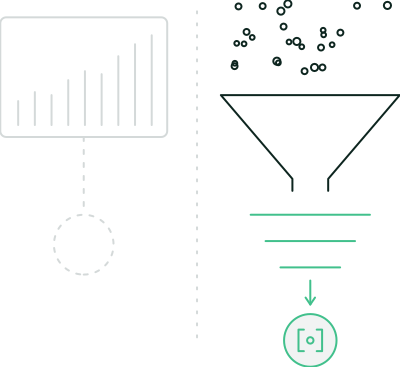
The surfaces leadership puts in scope. The gaps prior assessments miss usually sit between network and security ownership.
The controls you actually have, including the gaps. Evidence from the estate as it actually runs.
Assessed as SASE when it’s in scope, with identity, device posture, and access policy reviewed together.
The boundaries that fall between network and security ownership, where prior assessments often miss.
Signal paths that never made the last binder, assessed with the rest of the surfaces in scope.
A prior assessment is treated as an input, so you don’t pay twice for the same blind spots.
Leadership agrees scope and success criteria first: what “good enough this year” means for the board and for the floor. Each roadmap item then goes to a named delivery team.
Risk appetite, compliance drivers, and what “done for this quarter” means.

Controls and gaps on the surfaces in scope. Interviews add context to the evidence.

Ordered by business risk and operability.

Owners, order, and cost clarity, with dependencies between network, identity, and detection work made explicit.

Advisory, Modernization, managed security, or Virtual CIO / CISO as the next seat, with the context carried over. The assessment also stands on its own.

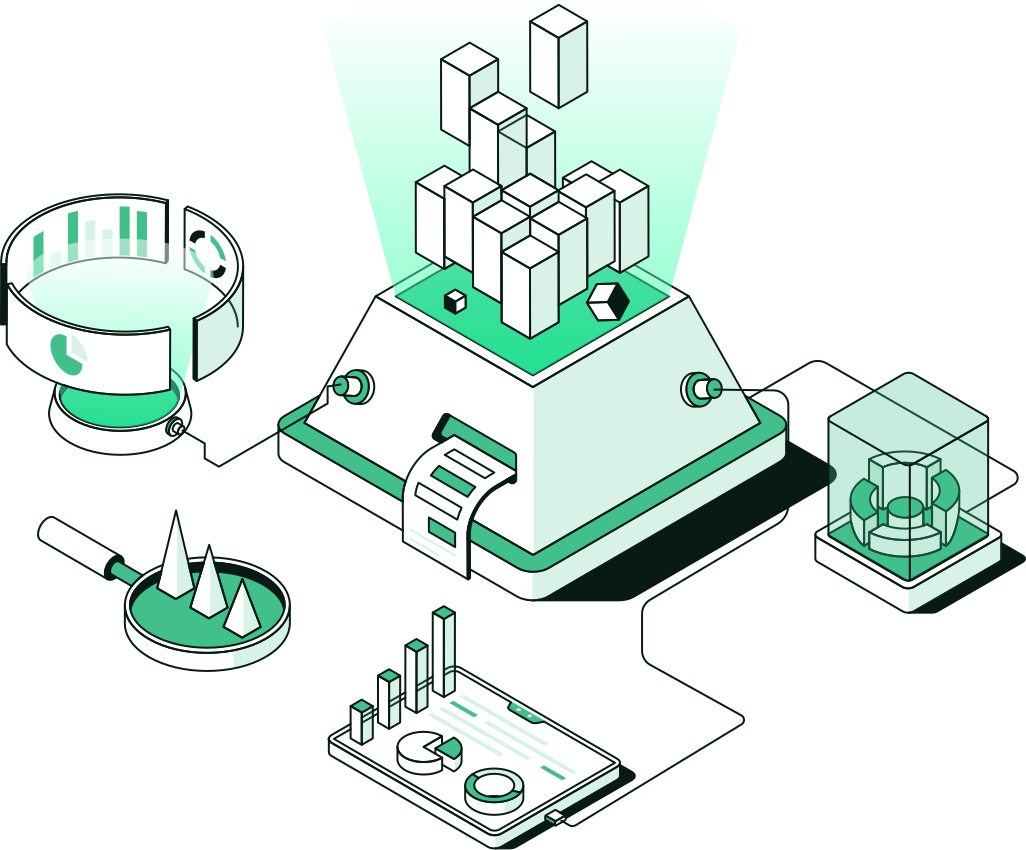
Cross-estate advisory for network, security, and cloud.

Refactor the estate against the next five years of how you work.
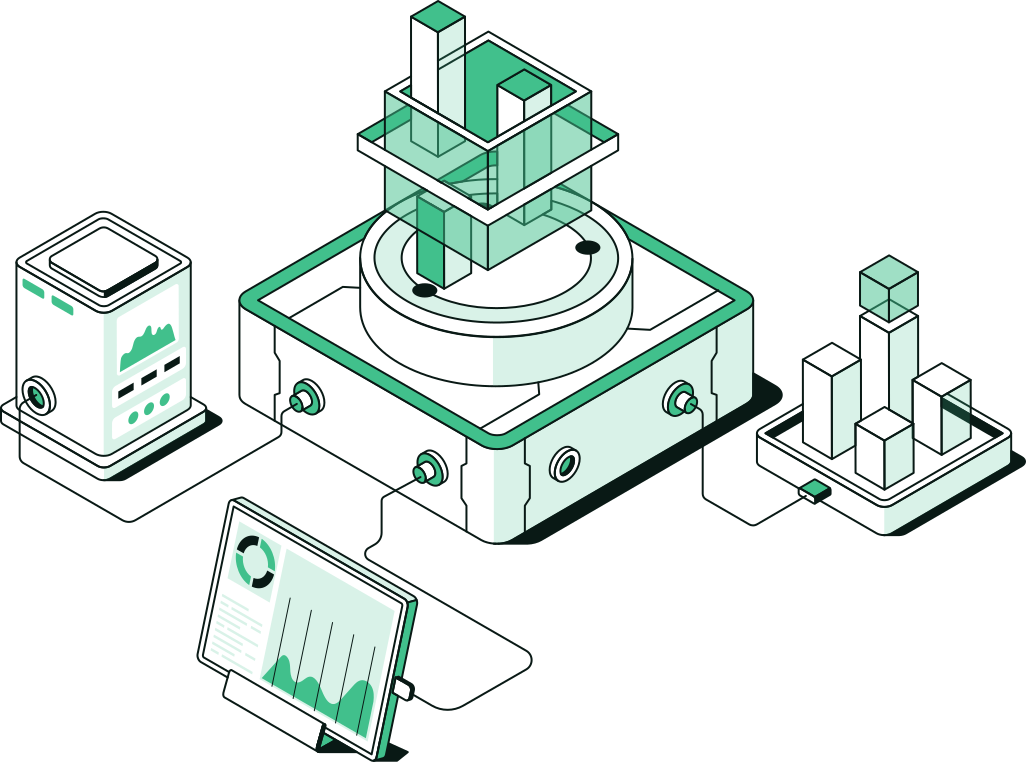
Named leadership without a full-time hire this quarter.
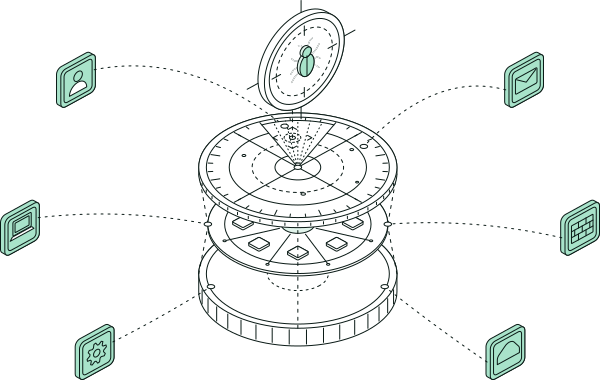
Detection and response from the same operators, every time.
Operate the security controls when a roadmap item lands on the Microsoft stack.
No. You walk away with current posture, evidence, business impact ranking, a sequenced roadmap, and names on the work, including cost clarity your board can act on. The point is an operable control set and a clear sequence.
The roadmap is for the operators who will run the controls and the board that has to fund and sequence the work. Dependencies between network, identity, and detection are explicit so the next quarter starts with a plan.
The assessment is evidence-based. Interviews inform context, and Arrow also collects evidence on the surfaces in scope, then ranks findings by business impact and operability.
A prior assessment is an input to ours. Gaps it missed, especially surfaces that fall between network and security ownership, stay in scope so you don’t pay twice for the same blind spots.
When remote access is in scope, we assess it as SASE: identity, device posture, and access policy reviewed together.
Yes, as a later phase through services such as Advisory & Engineering, Modernization & Optimization, Managed Microsoft Security, MDR for Microsoft, or Threat Management. The assessment also stands on its own if you only need the plan.