
Any cloud, or any mix
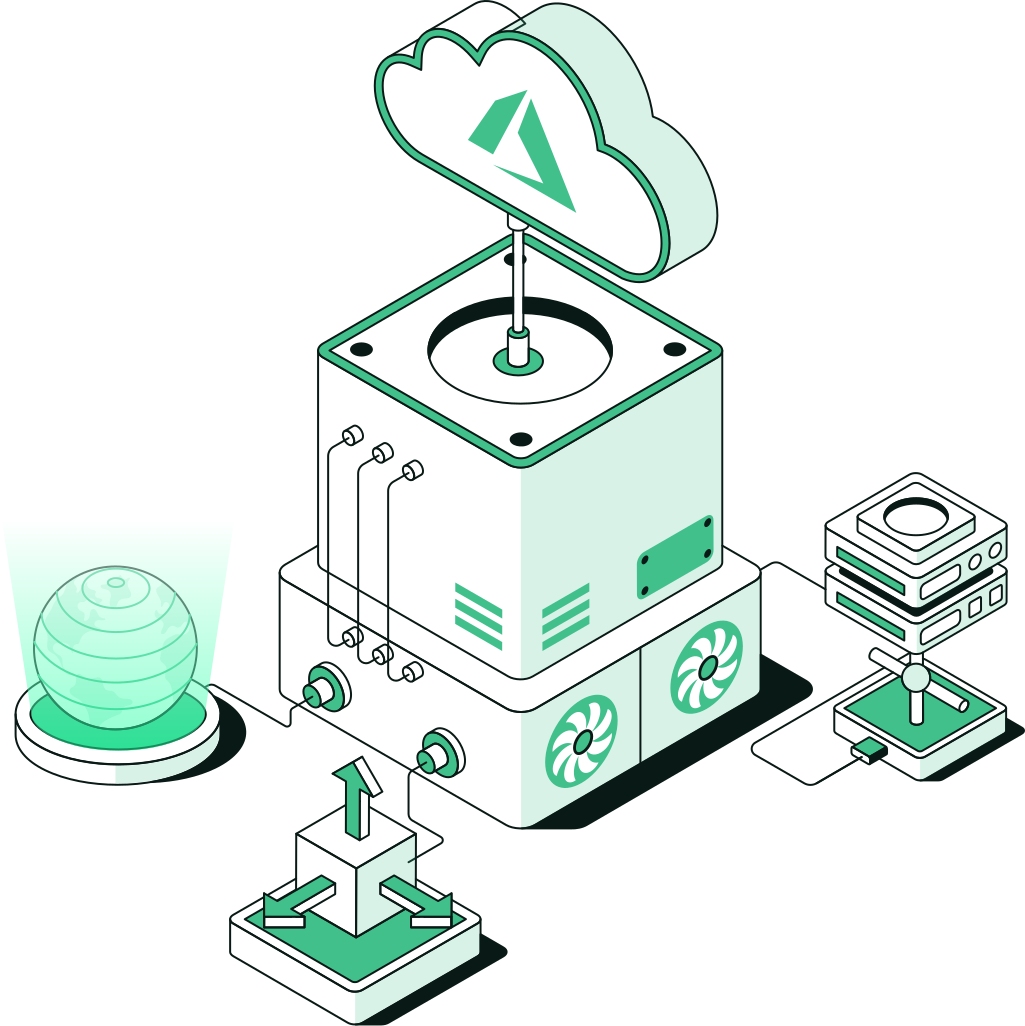
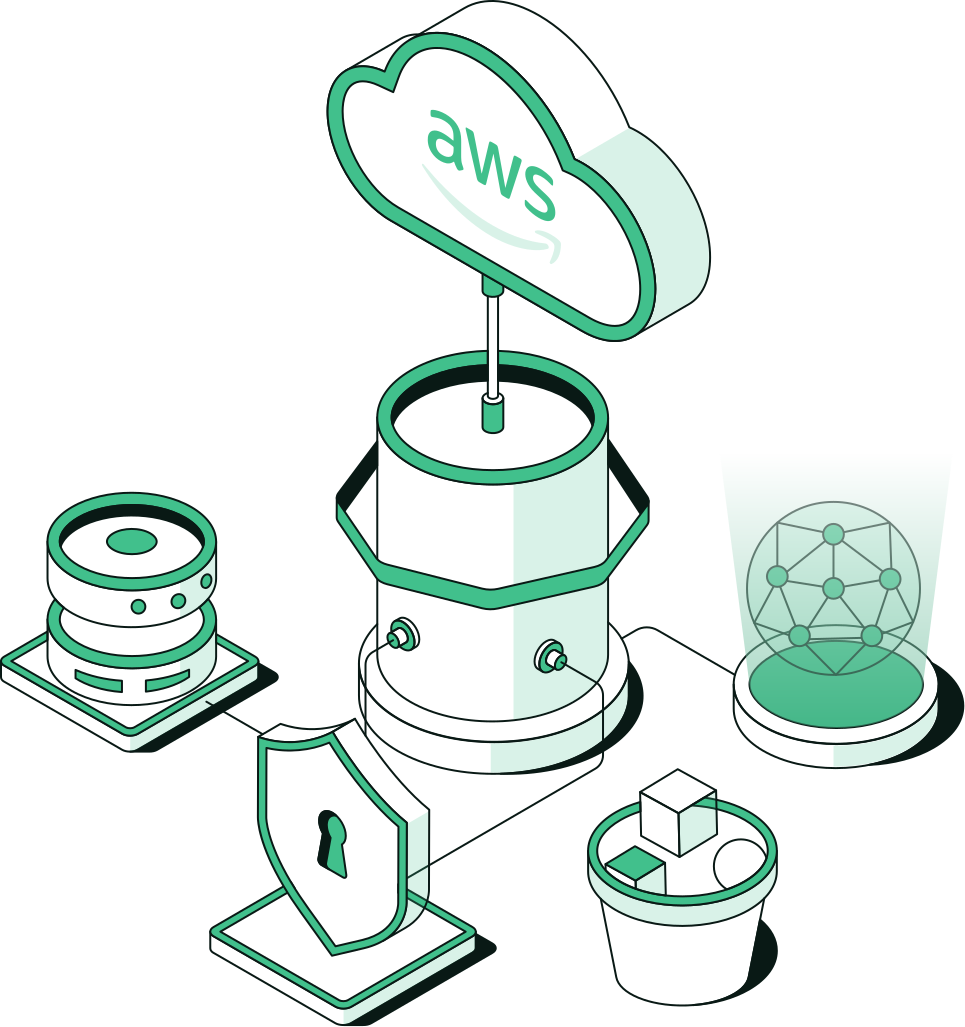
AWS, Microsoft Azure, Google Cloud, or a mix of them, including hybrid paths you already depend on. The on-ramp follows the clouds you use.
Three disciplines. One architecture. Zero gaps.
The expertise to design it. The engineers to run it.
24/7 US-based operationsArrow designs and operates Cloud On-Ramp so data centers, branches, and on-prem environments reach AWS, Azure, Google Cloud, or any mix, over private connectivity you can adjust as workloads change.

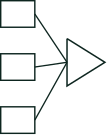
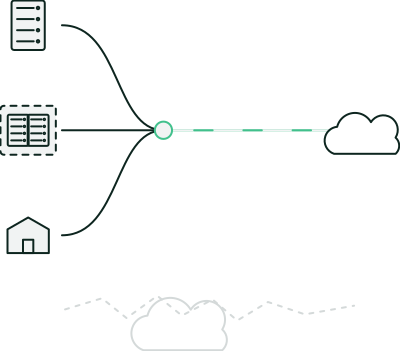
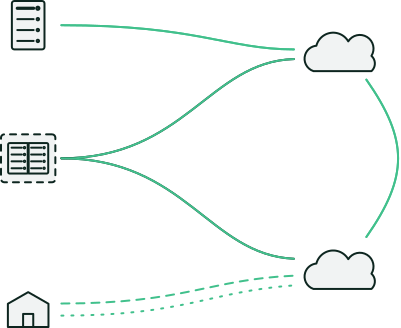
Data centers, branches, and on-prem all converge on one ramp.
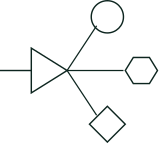
From there you reach AWS, Azure, Google Cloud, or any mix.

Private connectivity that adjusts as your workloads change.
A cloud on-ramp is a private, dedicated network connection from your data center, colocation space, or branch network into a cloud provider, so critical traffic doesn’t ride the public internet. Each major cloud offers its own private-connection service. Arrow designs, provisions, and operates the path to whichever ones you use.
AWS, Microsoft Azure, Google Cloud, or a mix of them, including hybrid paths you already depend on. The on-ramp follows the clouds you use.
A site-to-site VPN over the internet is fine for light or non-critical traffic. It’s less predictable for production and replication.
Bandwidth and endpoints change as migration, DR, or hybrid demand shifts, so the path keeps up with the cloud plan.
When a private path earns its place, how it stays secure, how it fits the rest of the estate, and why one team runs all of it.
When you need one
When cloud traffic is latency-sensitive, high-volume, or regulated, or when migration and DR windows need capacity you can plan. Where the internet is good enough, Arrow keeps that traffic on Internet Access.
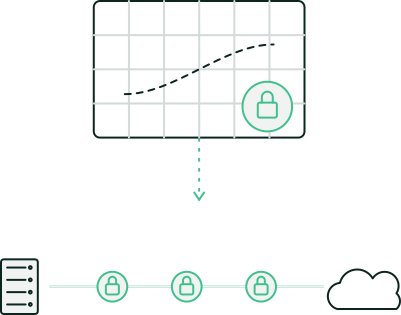
Security
Yes. Security review is standard scope on every Cloud On-Ramp engagement, and it starts at design. Controls and access policy travel with the path.
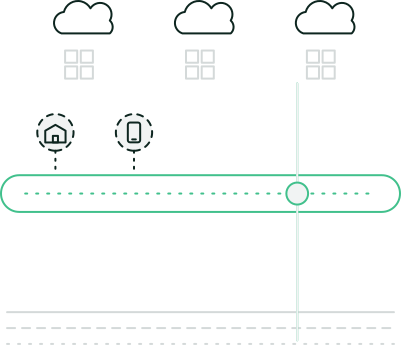
Architecture fit
They’re designed as one. A private path only works if the last mile, overlay policy, and cloud landing zones are planned together. Secure SD-WAN and SASE remote access give branches and remote users one policy plane.
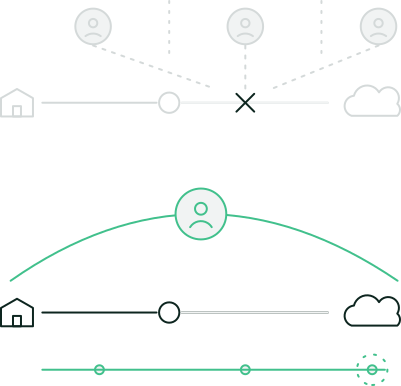
Why Arrow
One team for the circuit, the on-ramp, and ongoing operations, carrier- and cloud-agnostic. One outage means one conversation.
AWS, Microsoft Azure, Google Cloud, or any mix. The on-ramp follows your workloads.



Critical traffic stays off
the public internet.
Production, migration, recovery, and multi-cloud traffic each ask something different of the path.



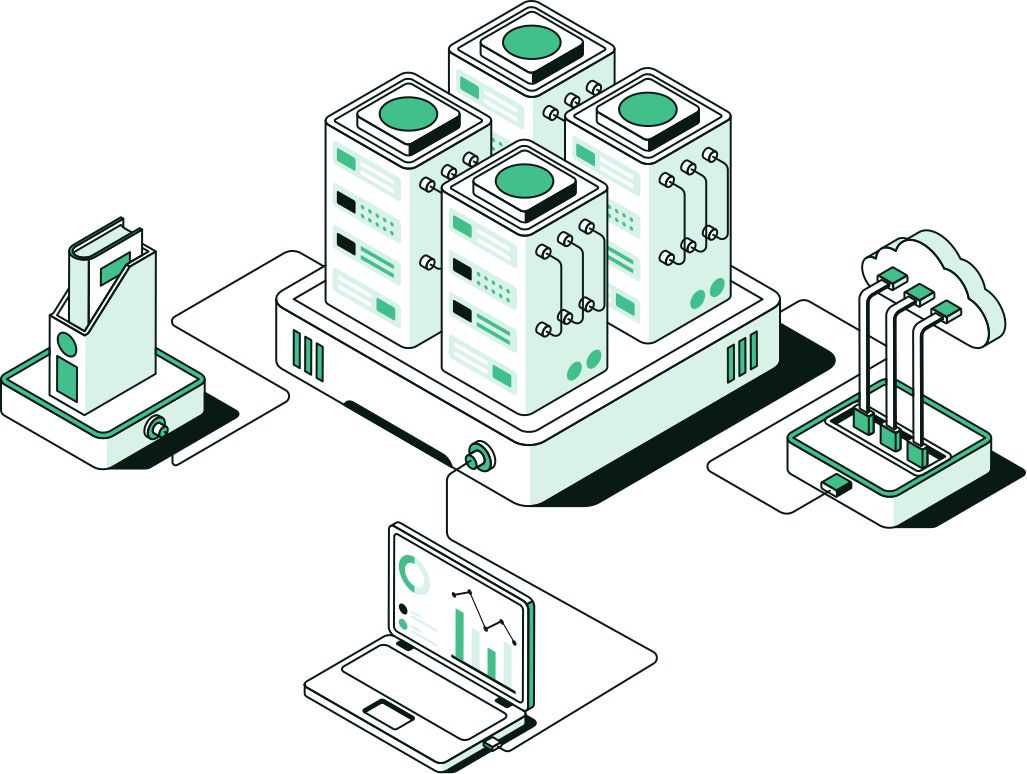

The same engineers stay on it throughout. Most on-ramp projects hand you a circuit and a ticket queue; Arrow keeps performance, security, and cost in one conversation.
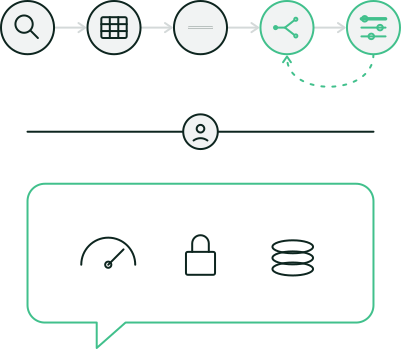

Assess
Workloads, regions, bandwidth profile, failure domains, and compliance constraints: what must be private and what can stay on the internet.

Design
Private path architecture and a capacity plan that follows the workload plan.

Provision
Connectivity into each cloud, plus provider-side private connection setup on every cloud you use. Change windows and rollback are planned.

Route and operate
Routing as the design requires, with monitoring and change on the same US-based operations floor that runs the rest of the estate. An outage is one conversation with one team.

Adjust
Change bandwidth or endpoints as migration, DR, or hybrid demand shifts, with cloud operations on the same team when that’s in scope.
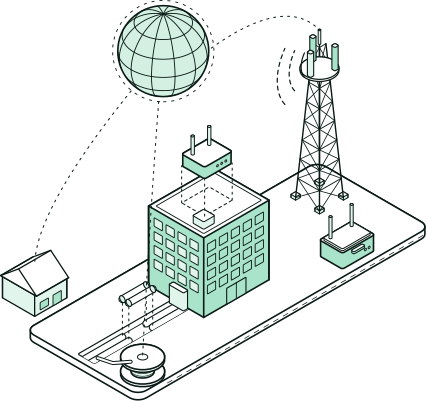
Primary, failover, temporary, and pop-up circuits from 600+ providers.
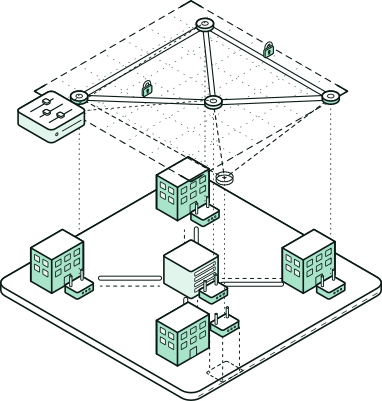
One overlay for routing, security, and app performance across every site.
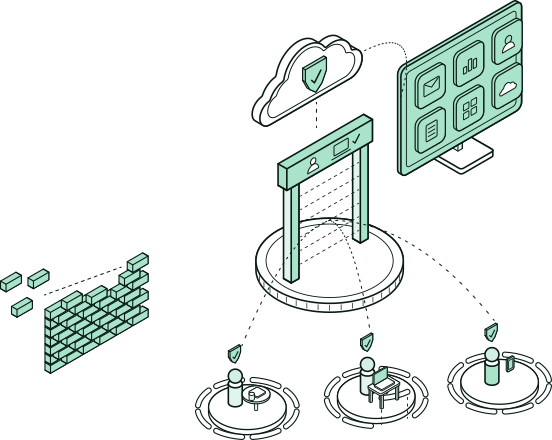
Identity-aware access with continuously checked posture.
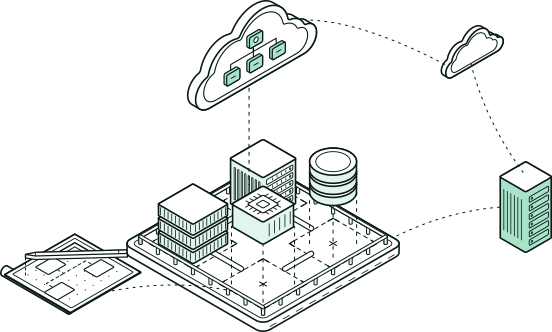
Cloud architecture your operators can run, validated before it ships.
Arrow operates the overlay and the circuits as one owner.
AWS, Microsoft Azure, Google Cloud, or any mix, including hybrid paths you already depend on. The on-ramp follows the clouds you use.
No. Critical workloads get a designed private route from your network to the cloud. The public internet stays in the mix where it performs well enough.
When remote users and edge policy need to meet the same path. SASE is included where the design calls for it, planned in from the start.
Yes. The ramp is phased. The same names stay on design through optimization so each wave leaves a clearer path than the last.
They’re one design. Cloud On-Ramp adds private paths to cloud alongside the Internet Access circuits and Secure SD-WAN overlay you already run, because cloud performance is a network design problem as much as a console setting.