
Named engineers who own the incident
When a site goes dark, you call Arrow. Engineers on the US-based operations floor already know the overlay and the last mile, and they own the incident and the carrier ticket.
Three disciplines. One architecture. Zero gaps.
The expertise to design it. The engineers to run it.
24/7 US-based operationsArrow runs your SD-WAN overlay and the internet circuits under it as one managed service. Named engineers handle monitoring, changes, and incident response, with Remote Access [SASE] in the same model when you need it.

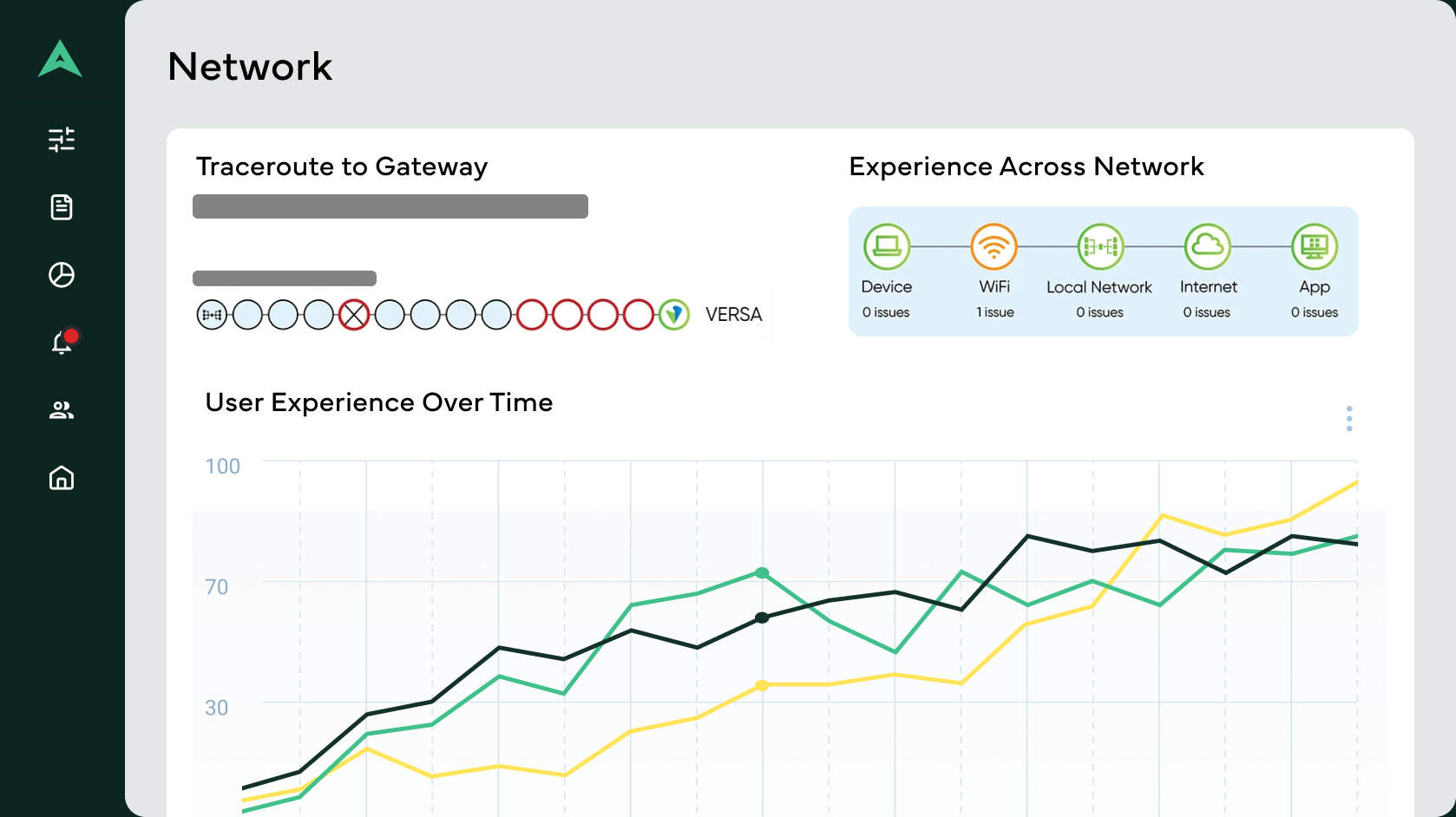
4,100+
Connectivity customers supported
NPS 82
Customer Net Promoter Score
600+
Internet providers in network
When carriers, overlay vendors, and security tools each own a piece, every outage becomes tickets bouncing between them while users wait. Running the overlay yourself still leaves carrier escalation, policy change, and incident response on your team. Managed Secure SD-WAN moves that work to Arrow operators who also see the last mile, and leaves you with this.
When a site goes dark, you call Arrow. Engineers on the US-based operations floor already know the overlay and the last mile, and they own the incident and the carrier ticket.
Arrow sources the circuits and runs the overlay and security on the same floor. Policy, path problems, and carrier issues become one conversation, and no vendor can point at another.
Networking and security share one operations floor. Network telemetry informs security response, and security policy shapes how the overlay runs.
When remote users need the same policy as branches, Remote Access [SASE], including VPN-style access, runs in the same operating model.
With primary and failover circuits under management, keeping every site up becomes Arrow’s operations problem.
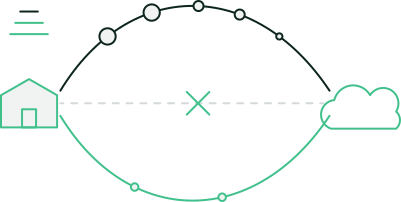
Day-to-day operation of the overlay and the circuits under it, together, with the same engineers from design onward.
Path, device, and application health across every managed site, watched from one operations floor.
App-aware routing and QoS for voice, video, and critical apps, changed under written change control.
Circuits from 600+ providers, sourced and designed with the overlay so a site stays up when one fails.
Arrow works the carrier on last-mile faults, so you don’t open a second ticket.
A site that drops is worked from the same floor that runs its overlay and knows its circuits.
Vendor-neutral policy and performance adjustments as sites and apps change.
Primary and failover circuits are sourced and designed with the overlay. For sites under management, Arrow works the carrier when the last mile fails.









Managed makes sense when your team can’t own incident response, carrier escalation, and constant policy change across every site.
| Task | DIY | Managed with Arrow |
|---|---|---|
| Overlay changes and tuning | Your team | Arrow |
| Carrier tickets and last-mile faults | Your team | Arrow |
| Incident response when a site drops | Your team | Arrow |
Discovery comes first. A fit overlay is inherited and hardened, a broken one isn’t silently taken on, and the same named engineers run it either way.
Sites, circuits, critical apps, failure domains, and any existing overlay.

The target policy plane, aligned with Internet Access and Remote Access [SASE] when they’re in scope. An overlay that needs design goes through Secure SD-WAN first.

Phased cutover or takeover, with rollback written down.

Monitoring, change, and incident response on one team.

Performance and policy adjustments as the estate changes.
Secure SD-WAN designs the overlay. Managed Secure SD-WAN runs it. Many customers do both in sequence, with the same engineers throughout.
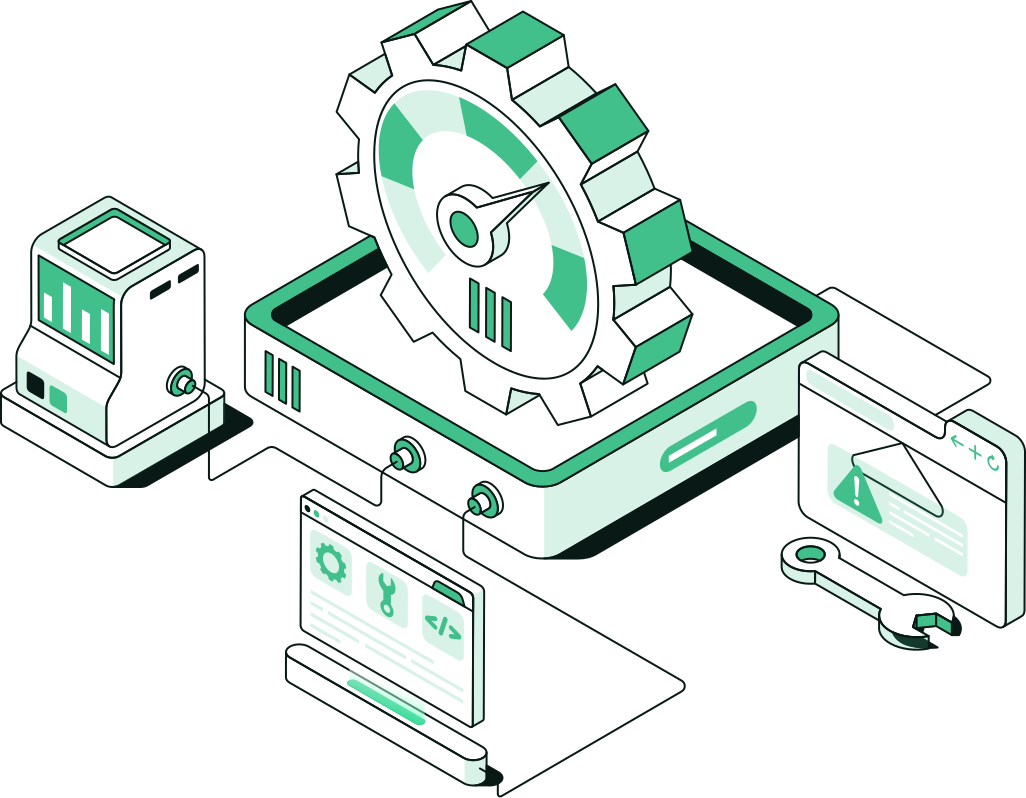
Choose it when the overlay needs an operator: monitoring, change, carrier faults, and incidents.
Arrow operates the overlay and the circuits under it as one ongoing service.
This page
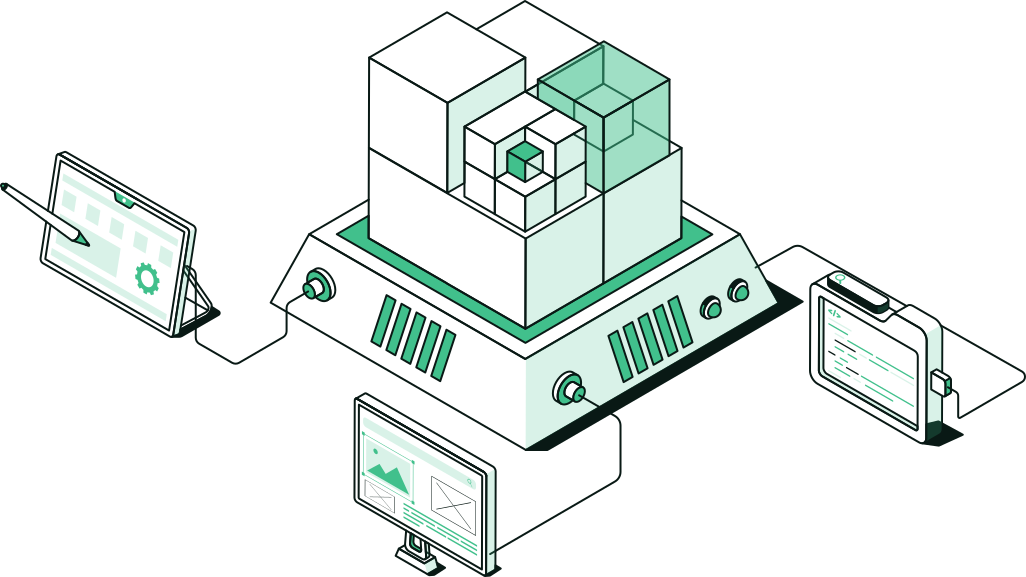
Choose it when the question is architecture.
The design engagement: replacing appliance sprawl, planning WAN modernization, and MPLS migration.
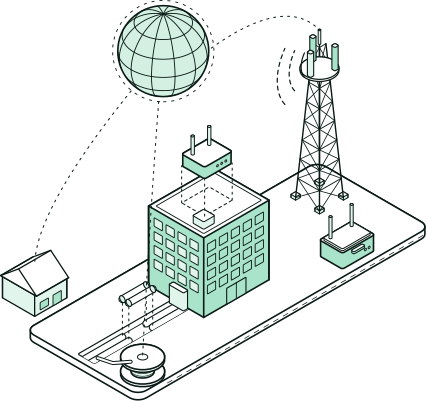
Primary, failover, temporary, and pop-up circuits from 600+ providers.
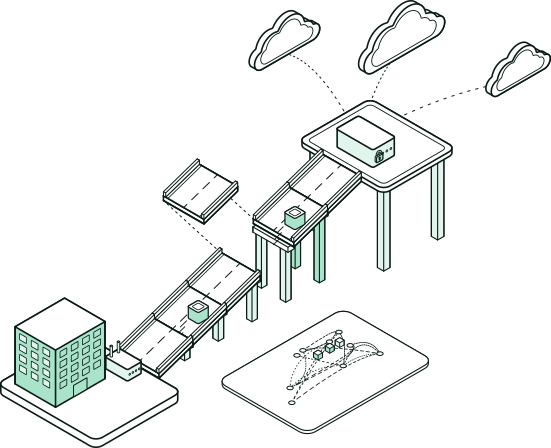
Private, adjustable paths to AWS, Azure, and Google Cloud.
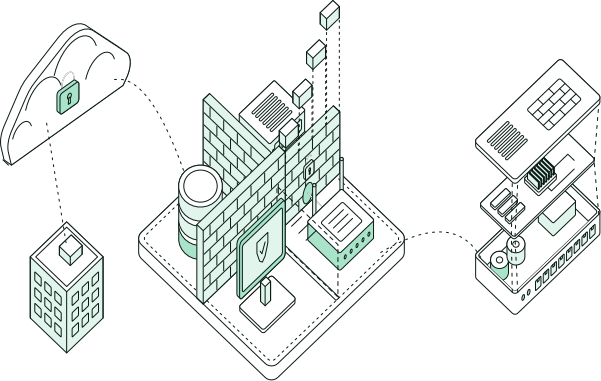
Hardened firewalls and segmentation across the fabric you run.
Detection and response on the Microsoft estate you already pay for.
Remote users on the same policy plane as your branches, in the same managed model.
The overlay and the circuits under it, run as one service: monitoring, policy and change, carrier management, and incident response. Networking and security share one operations floor, so a path failure isn’t a multi-vendor negotiation.
Secure SD-WAN is the design engagement: replacing appliance sprawl, planning WAN modernization, and shaping the overlay. Managed Secure SD-WAN is Arrow operating that overlay and its circuits day to day.
Optionally. When remote users need the same policy plane as branches, Remote Access [SASE], including VPN-style access, runs in the same operating model.
Arrow. Named engineers on the US-based operations floor, who already know the overlay and the last mile, own the incident and the carrier ticket. You make one call.
Yes, after discovery confirms the design is operable. Arrow will inherit and harden a fit overlay; a broken overlay is not silently taken on.
No. For sites under management, Arrow works the carrier so you are not running two tickets. Policy, circuits, and incident response stay one conversation.
Because running it yourself still leaves carrier escalation, policy change, and incident response on your team. Managed Secure SD-WAN moves them to Arrow operators who also see the last mile, so resilience becomes Arrow’s operations problem across every branch.