
Worked to an outcome
You get investigated, prioritized work. Escalations come with scope and a recommended action.
Three disciplines. One architecture. Zero gaps.
The expertise to design it. The engineers to run it.
24/7 US-based operationsArrow runs detection and response led by named operators who meet each alert with context.
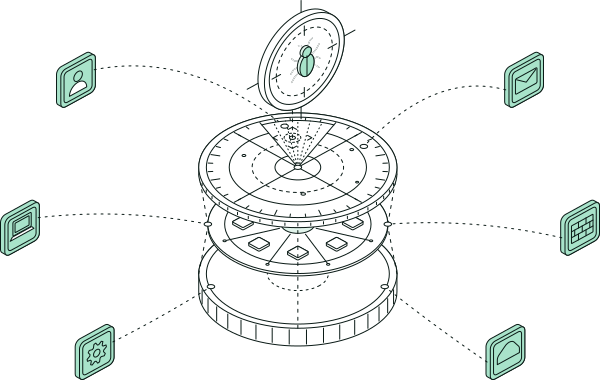


We detect activity across endpoint, identity, mail, network, and cloud.

We respond directly to you, with the same operators every time.

No ticket queue meeting your alert for the first time.
Because alerts without decisions are how security programs burn trust. Reactive security, SOC staffing gaps, and tools that don’t talk to the team that owns containment paths leave organizations with dashboards and no decisions.
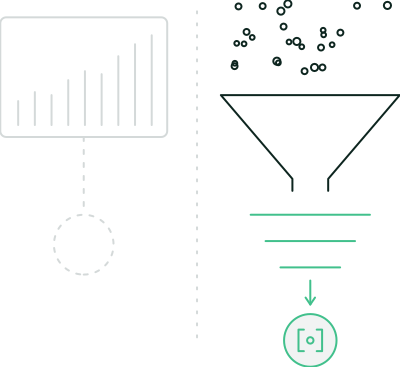
You get investigated, prioritized work. Escalations come with scope and a recommended action.
Security that only moves after the damage is done.
Detection tools that don’t talk to the network team that owns the containment paths.
Telemetry is only useful when someone correlates it and acts. Threat Management puts that work on named operators who know the estate.
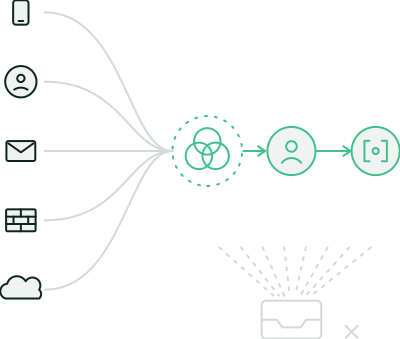
What Arrow delivers
Detection with context, correlated across surfaces so noise doesn’t bury the real event. Response that contains active threats, run by operators who already understand your topology and critical systems. Then remediation, so every incident improves posture.
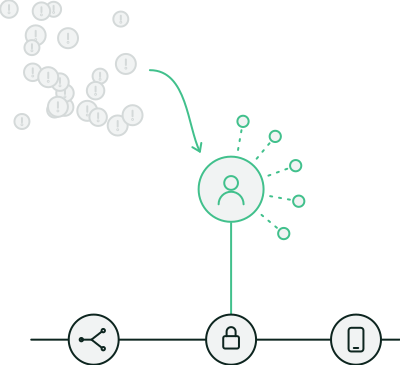
Cyber surfaces
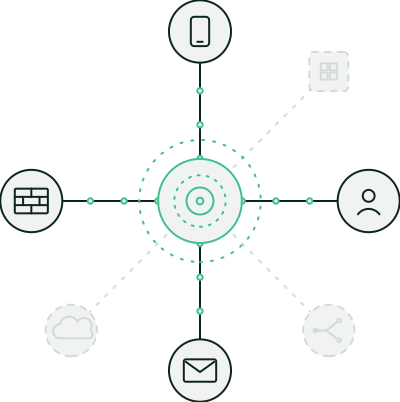
Endpoint, identity, messaging, and network each produce signals, and Threat Management is where they become decisions. Secure SD-WAN and Remote Access [SASE] add path and access context, and Arrow Managed Cloud covers cloud telemetry when cloud is in the estate.
Why Arrow
Named operators, multi-surface telemetry, and containment on the same floor as the network. The result is fewer blind spots between detection and the engineers who run your routing, access, and devices when Arrow operates them.
Threat Management uses endpoint, identity, messaging, and network signals from the controls you already run, including platforms from Arrow’s technology partners.






Multi-surface signals.
One response floor.
Cross-estate detection and response, with Microsoft-specific depth when that’s your main stack.





One operating model, run by the same engineers from first signal to the fix. It works alongside Managed Microsoft Security and MDR for Microsoft when those signals are in scope.
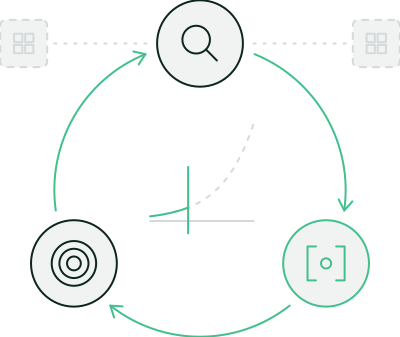

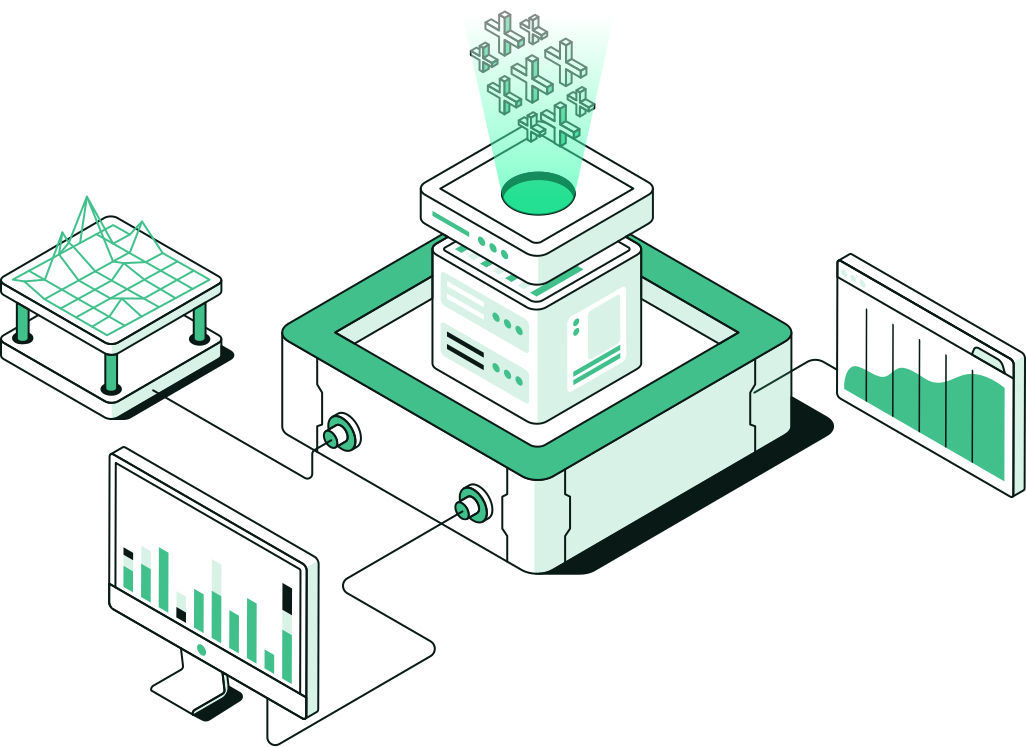
Detect
Full visibility and guided investigation. Signals land with people who already know the environment.

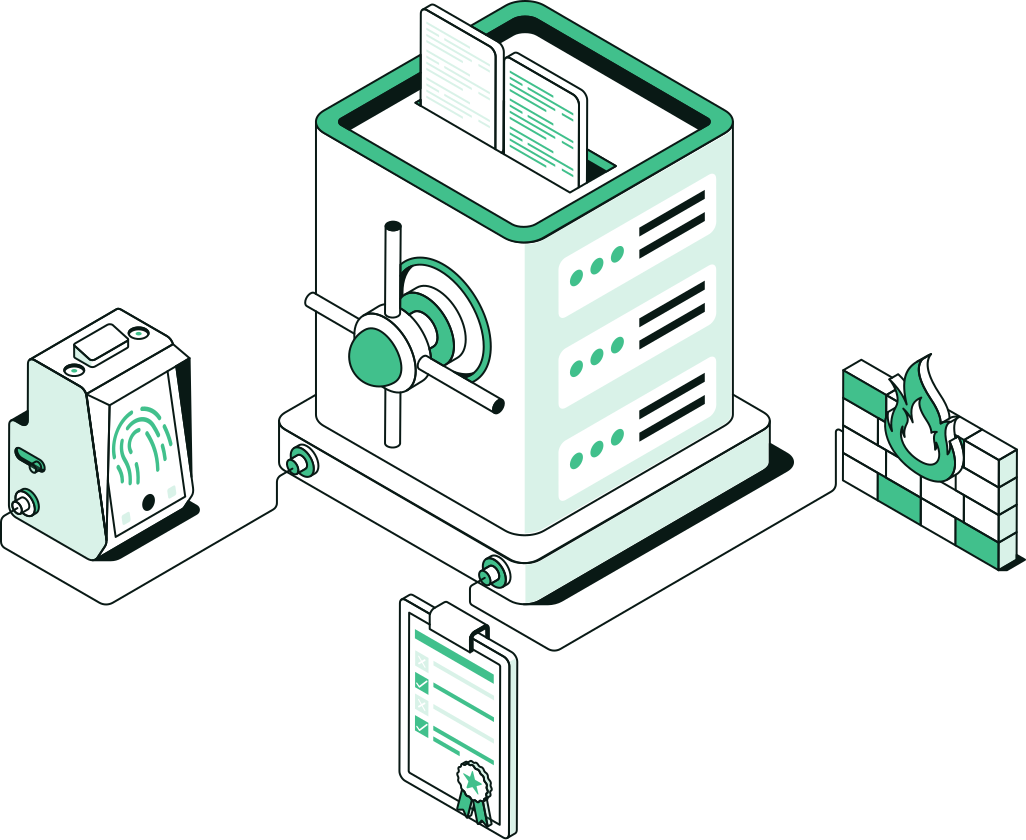
Respond
Contain before damage compounds. The runbook is operated by the same engineers who know the tenant.

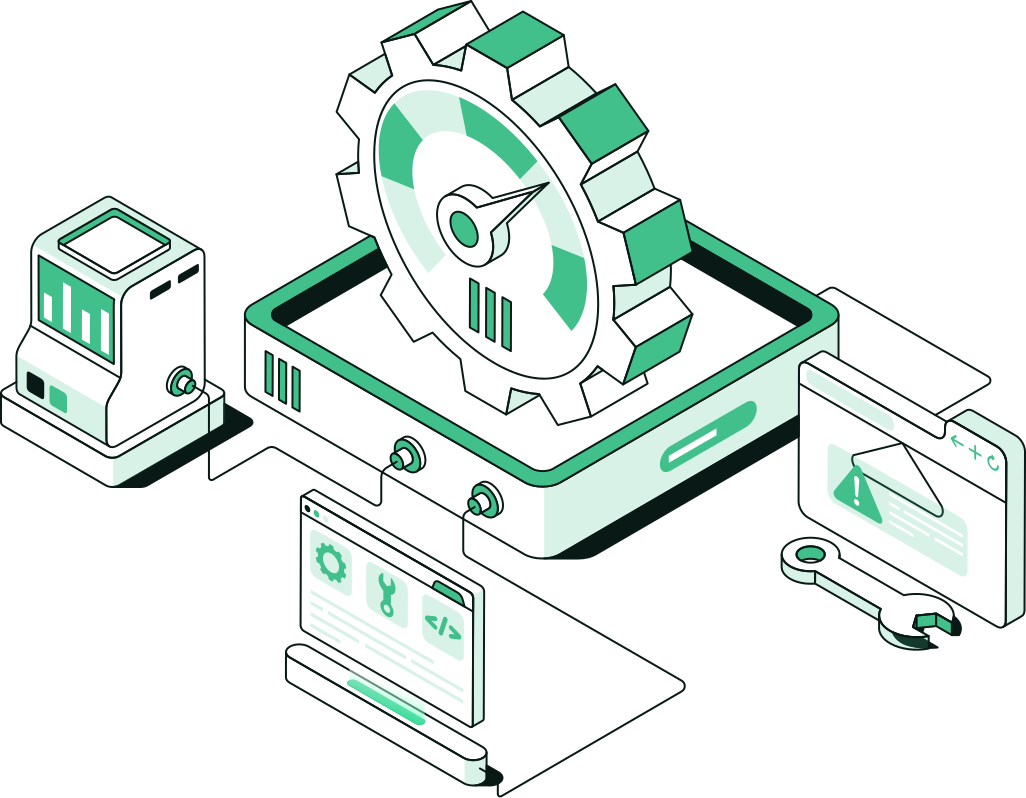
Harden
Fix the conditions that let the attack start. Segmentation and identity controls we already run are part of the response from the first hour.
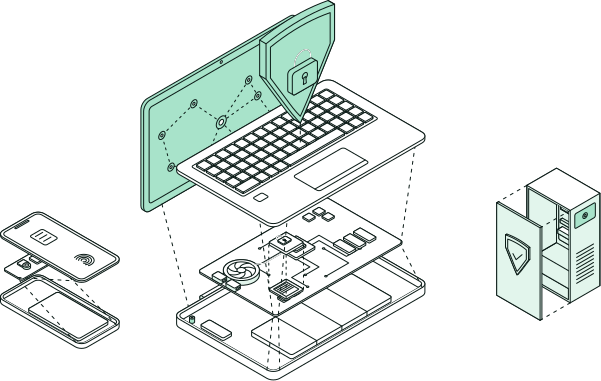
Operated policy and response on every device that touches the estate.
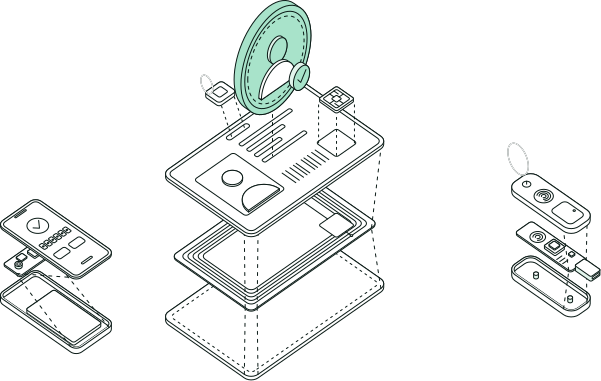
Access policy that follows the user, watched by the same floor.
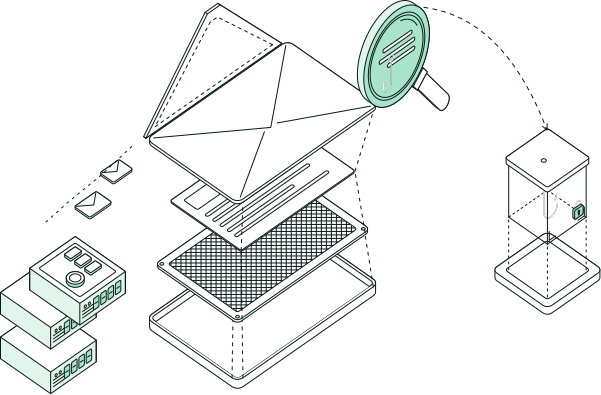
Layered email defense, tuned continuously as threats change.
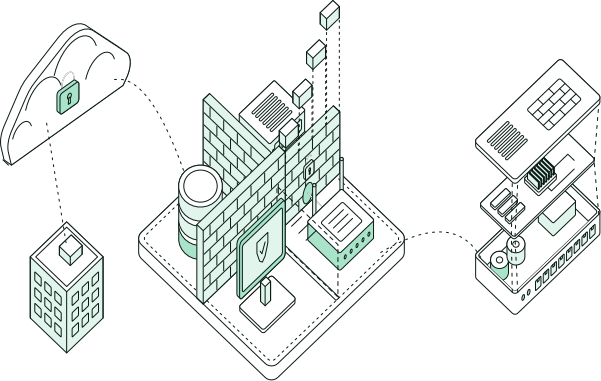
Hardened firewalls and segmentation across the fabric you run.
Managed detection and response focused on the Microsoft signals you already pay for.
It is detection and response staffed by named operators who know the estate. You get outcomes and containment with context, and nobody forwards raw alerts into your inbox to sort.
Endpoint, identity, messaging, and network signals from the controls already in your architecture.
Segmentation and identity controls already in place are part of the response from the start. Containment uses the fabric you operate.
Threat Management is the cross-estate detect → respond → harden practice when signals span beyond Microsoft. MDR for Microsoft is the managed service focused on the Microsoft signals you already pay for. Choose the one that matches your estate.
The same engineers. Response continues after the ticket closes: hardening lessons feed back into the operated controls so the next incident starts smarter.