
One operating model
Shared monitoring, change, and incident paths across environments, with named accountability whether the workload is on-prem, private, or public.
Three disciplines. One architecture. Zero gaps.
The expertise to design it. The engineers to run it.
24/7 US-based operationsArrow architects and manages on-prem, private, and public cloud together: shared policy, visibility, and performance, without a single-cloud religion. Security review is standard scope.
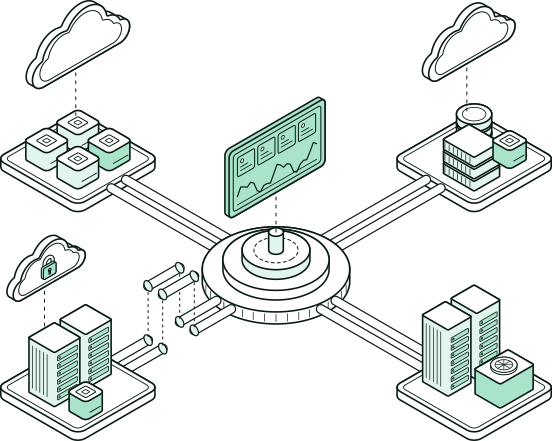

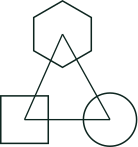
We architect on-prem, private, and public cloud as one estate.

We push consistent policy and visibility to every environment.

Security review is standard scope across every environment.
Hybrid and multi-cloud are often accidents: acquisitions, SaaS sprawl, regulatory constraints, and “temporary” holds that never ended. Hybrid fails when each environment runs as a separate vendor, monitoring stack, and incident path.
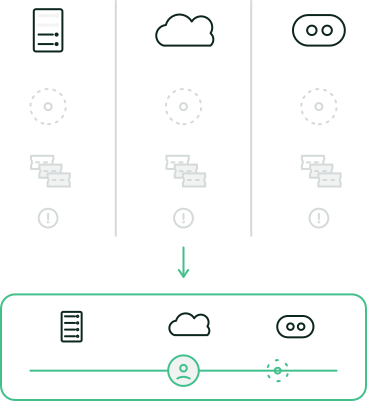
Shared monitoring, change, and incident paths across environments, with named accountability whether the workload is on-prem, private, or public.
One accountable floor, so an incident that crosses environments is still one conversation.
Identity, segmentation, and detection span environments, without a different partner for each platform.
Consistent operations, honest placement, and network, cloud, and security on the same floor.
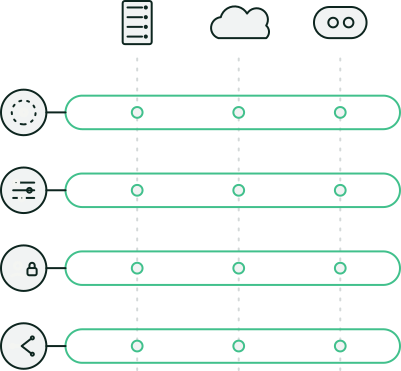
Consistent operations
Each workload runs on the cloud that fits it. Consistency means shared monitoring, change, and incident paths, identity and segmentation that span environments, and connectivity designed with the estate.
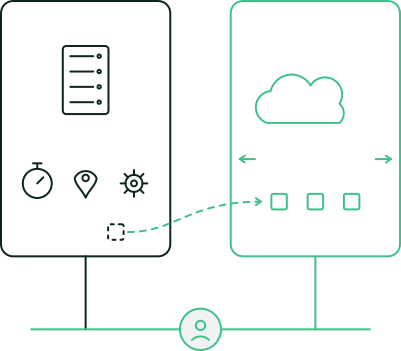
Workload placement
When some workloads belong on-prem or private for latency, data residency, or specialized systems, and others belong in public cloud for elasticity and managed services. Placement is an architecture decision, revisited with Cost & Workload Optimization when spend and utilization drift.
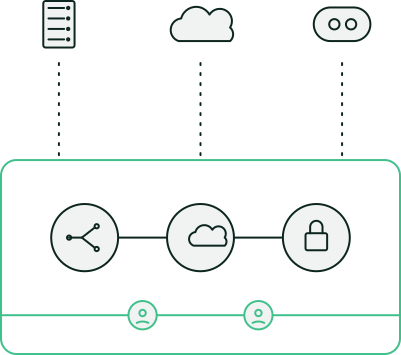
Why Arrow
Hybrid pain is usually integration pain. Arrow already operates connectivity and security alongside cloud, so hybrid isn’t a third siloed practice. The same named-team model applies across the whole estate.
Each workload goes where latency, compliance, cost, and team skills say it should live, across public cloud and the private and on-prem environments you already run.



More than one environment.
One operating model.
Hybrid performance and policy are network design problems as much as cloud console problems. Arrow plans the paths alongside the architecture.

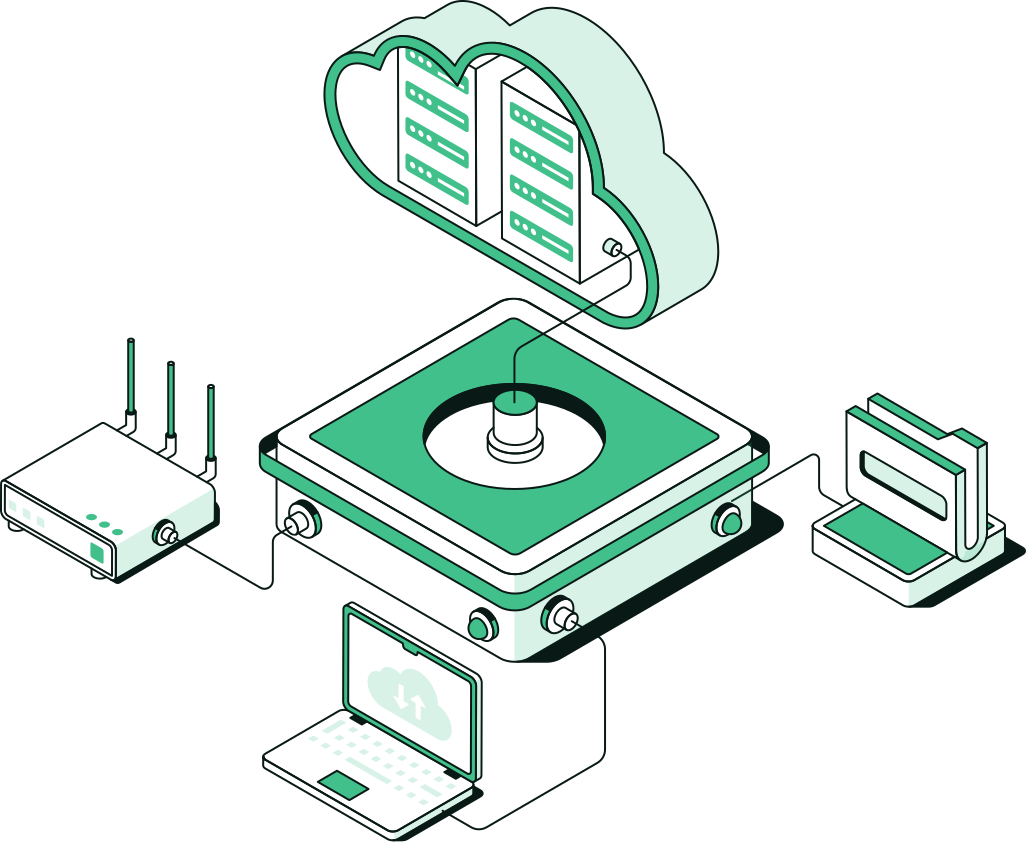

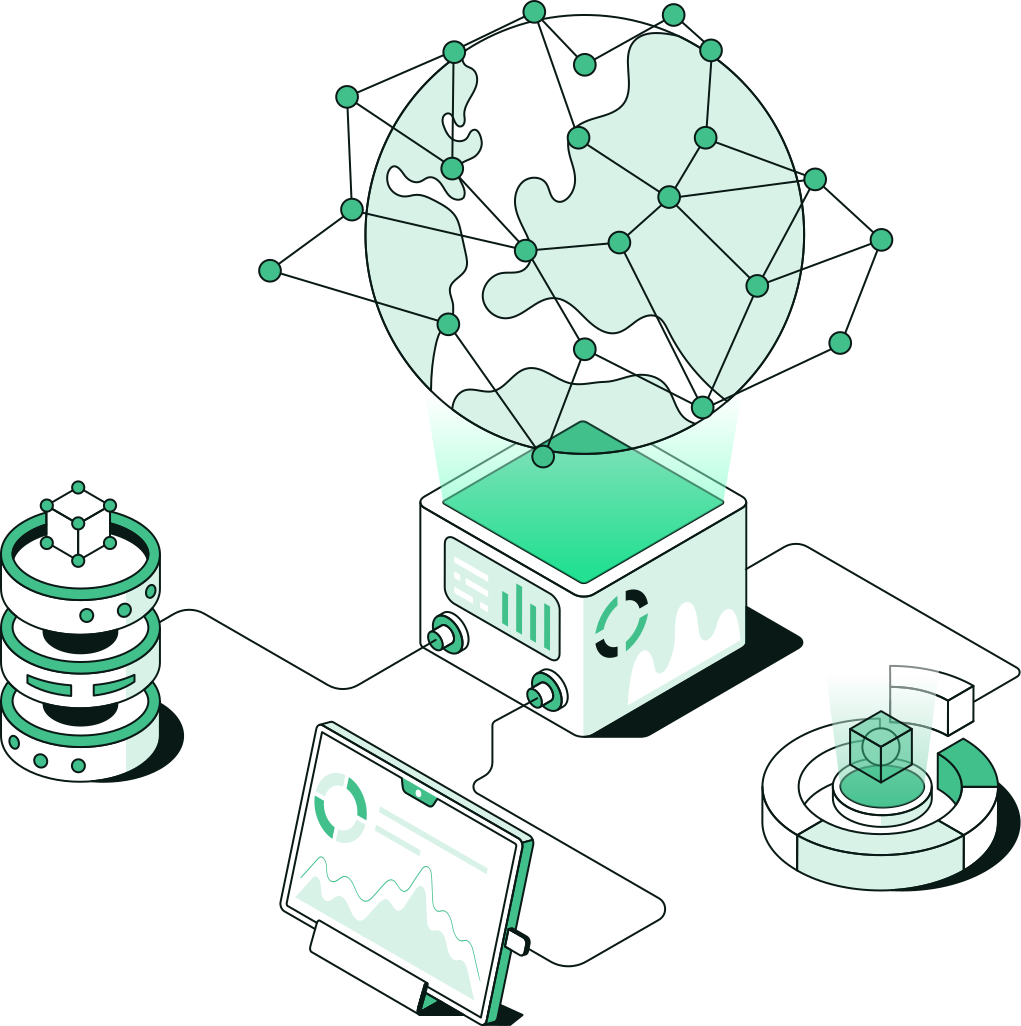

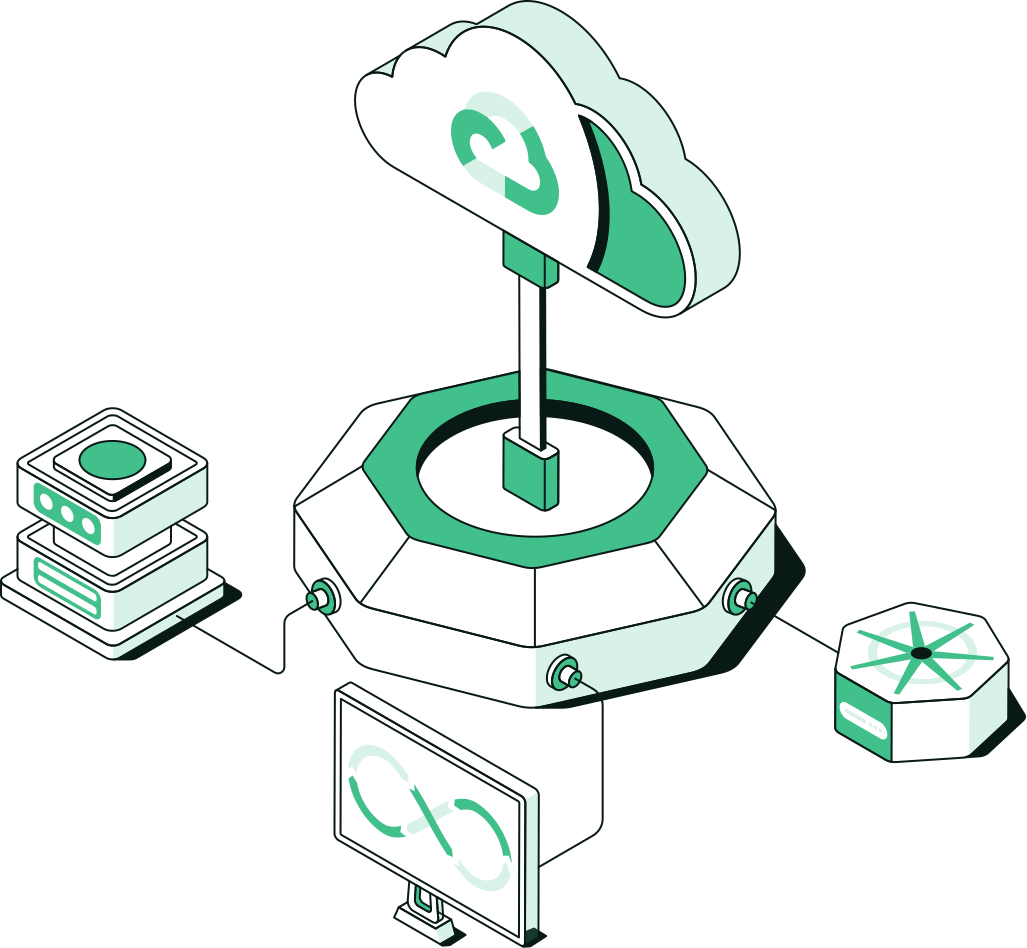
We start with what you actually run and who owns change today, then build the shared operating model around it.
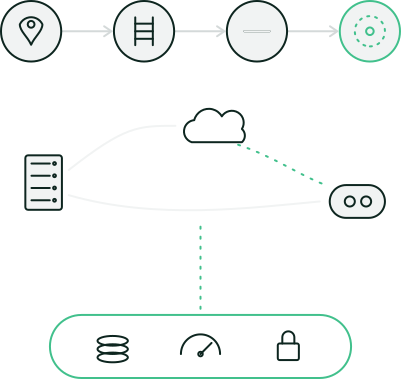

Inventory
Environments, workloads, and ownership mapped, including the workloads that can’t move.

Define the operating model
Shared tooling, escalation, change windows, and incident paths across every environment in scope.

Align connectivity
Path and landing-zone gaps closed with Cloud On-Ramp, Internet Access, Secure SD-WAN, and Cloud Consulting as needed.

Security review
Identity, segmentation, and detection reviewed across environments, as standard scope.

Operate
Ongoing operations can sit under Arrow Managed Cloud, so cost, performance, and security stay one ops problem.
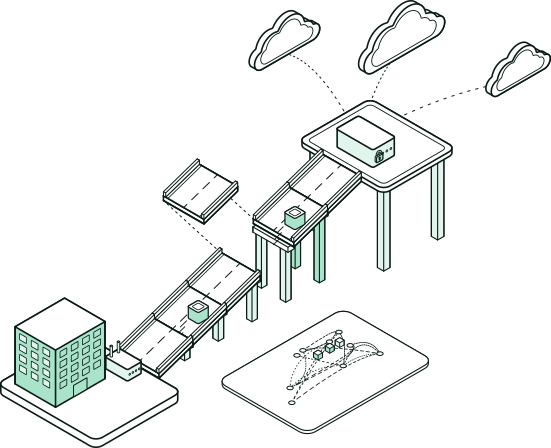
Private, adjustable paths to AWS, Azure, and Google Cloud.
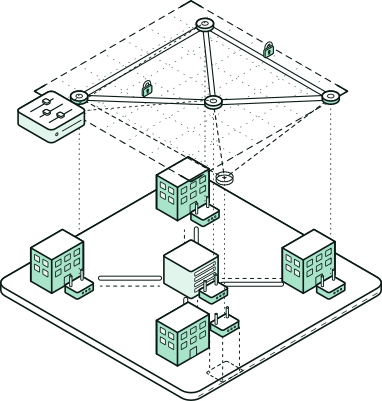
One overlay for routing, security, and app performance across every site.
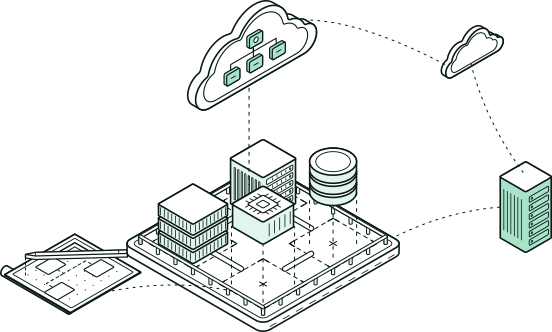
Cloud architecture your operators can run, validated before it ships.
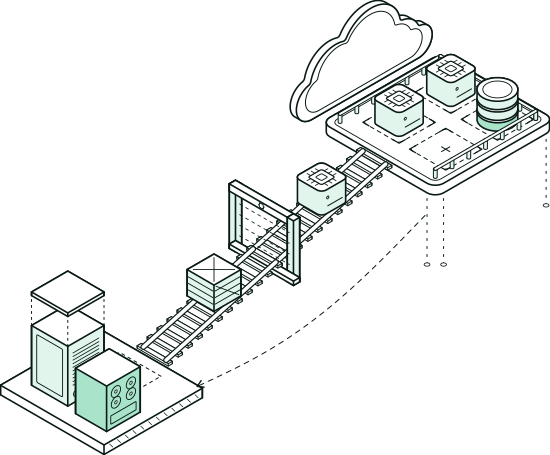
Wave-based moves with rollback, and the same names after cutover.
Day-to-day operations across the environments in scope, on one named team.
No. On-prem, private, and public stay in play when the workload needs them. Hybrid is an operating model in its own right.
Access and guardrails are designed to apply across the environments you actually run, so identity and control intent carry across every cloud boundary.
Yes. That is the point of the operating model: one operable story for a mixed estate, so your team isn’t reconciling three consoles during an incident.
Cloud paths sit with connectivity: on-ramps, Secure SD-WAN, and identity together. Hybrid performance and policy are network design problems as much as cloud console problems.
Hybrid & Multi-Cloud assumes mixed estates stay mixed by design. Single-cloud build-outs that are primarily one platform still land on Cloud Consulting when that is the honest scope.