
Portfolio before pipes
Applications, data, and dependencies are inventoried, and each workload gets a disposition and a priced wave plan. Finance and engineering share one picture of risk and effort.
Three disciplines. One architecture. Zero gaps.
The expertise to design it. The engineers to run it.
24/7 US-based operationsArrow plans and runs cloud migrations with cutover paths, rollback plans, and a handoff to the team that already knows the estate. Security review is standard scope from the first wave.
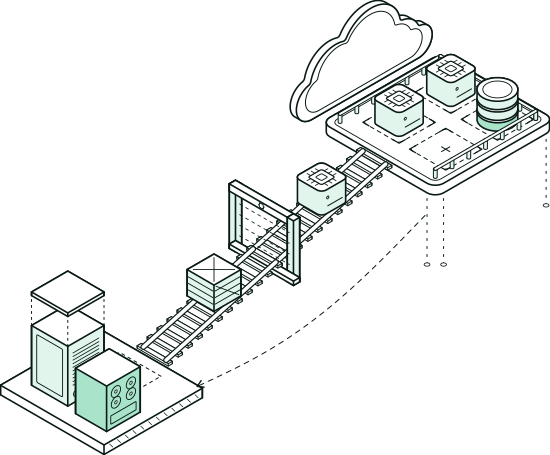

We plan cutover paths with rollback built in from day one.

After go-live, the estate goes to the team that already knows it.

Security review ships as standard scope, never bolted on after.
Nobody owns the portfolio, landing zones get skipped, and modernization becomes either “rewrite everything” or “lift everything blindly.” Then go-live is treated as the end of the engagement. Arrow runs Migration & Modernization as a controlled program with a handoff that isn’t a reset.
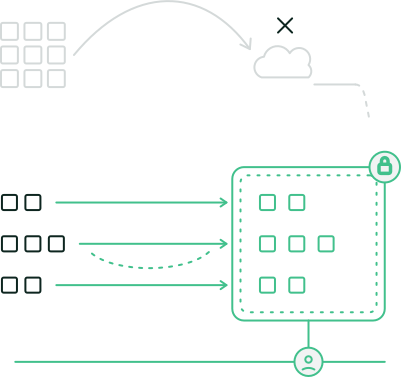
Applications, data, and dependencies are inventoried, and each workload gets a disposition and a priced wave plan. Finance and engineering share one picture of risk and effort.
Guardrails, identity, networking, and logging go in before workloads land, with security review in that foundation.
Controlled waves with rehearsed rollback, so production never rides on a single big-bang bet.
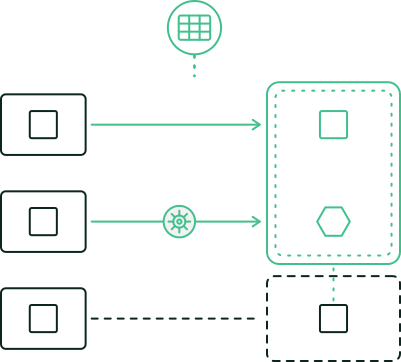
How the move is matched to each workload, how paths are planned for cutover, and who stays when it’s done.
Modernization with intent
No. Change what pays for itself. Lift-and-shift when that’s the right risk and value call, and refactor when the workload and the business case justify it.
Connectivity and cutover
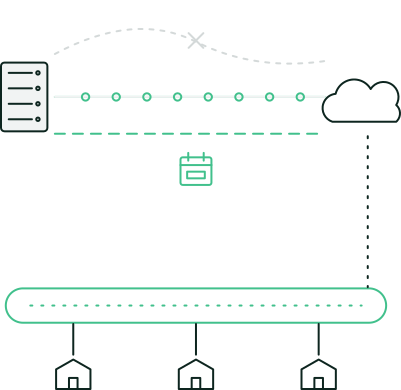
It will when paths and capacity are part of the migration plan. Waves often need temporary bandwidth, private paths, or adjusted routing, so Arrow pairs the move with Cloud On-Ramp and Internet Access when public-internet paths won’t hold for replication or cutover.
Why Arrow
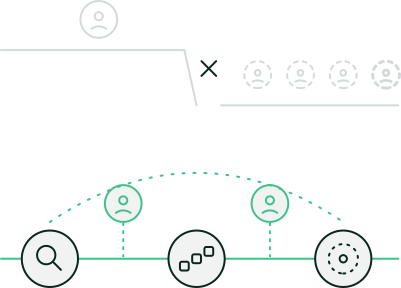
SI handoff cliffs are expensive. Arrow keeps assessment, wave execution, and optional managed operations connected, so the people who learned the estate during migration aren’t replaced by a queue that meets it for the first time on night one.

Waves, rollback, and a handoff
that isn’t a reset.
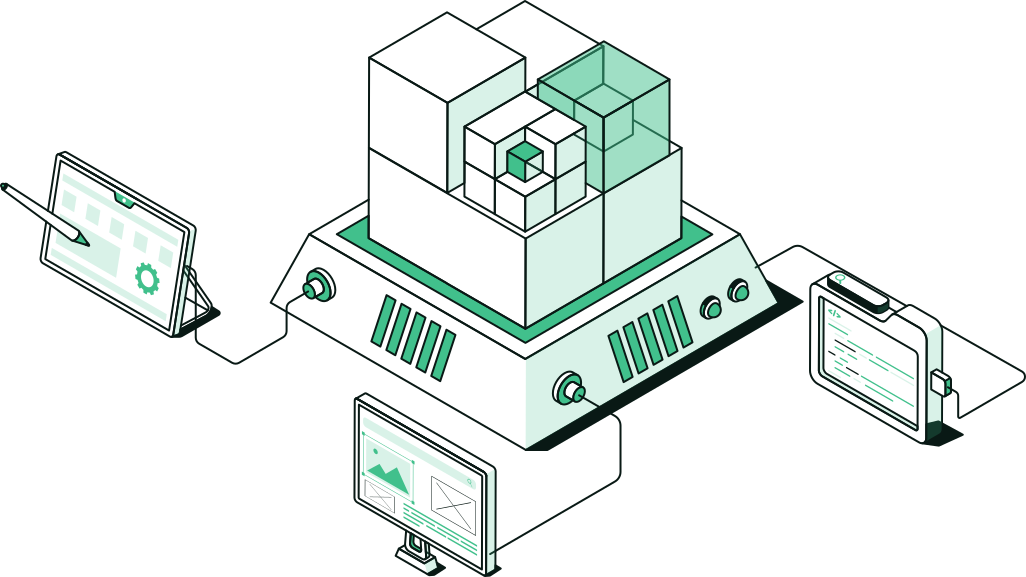
Different workloads need different paths. Arrow plans the mix workload by workload.

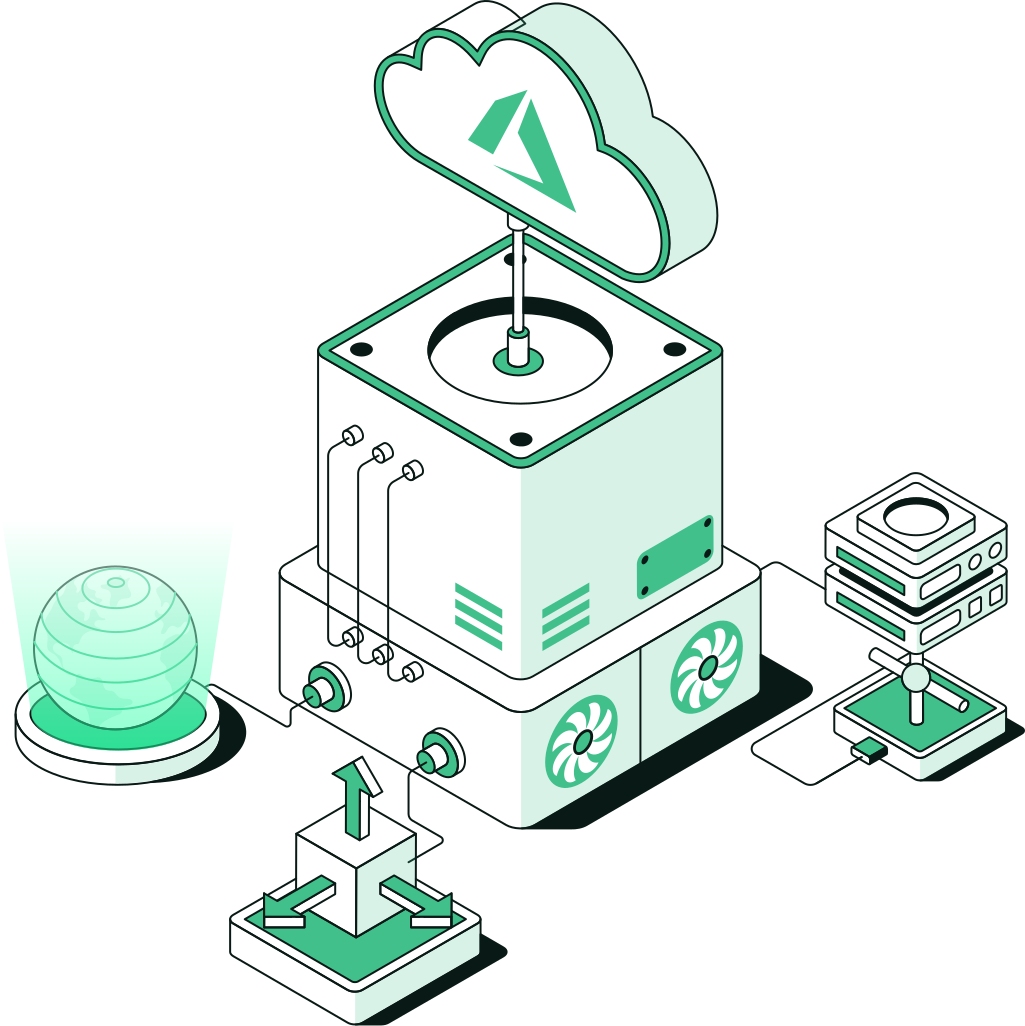


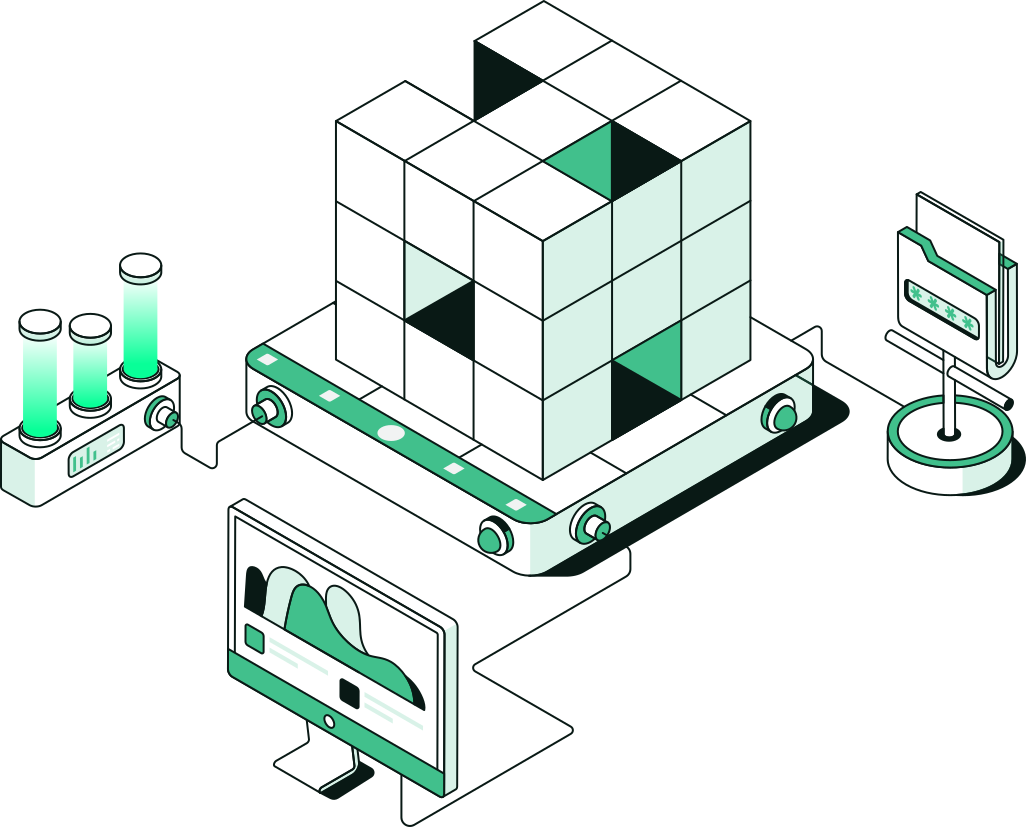

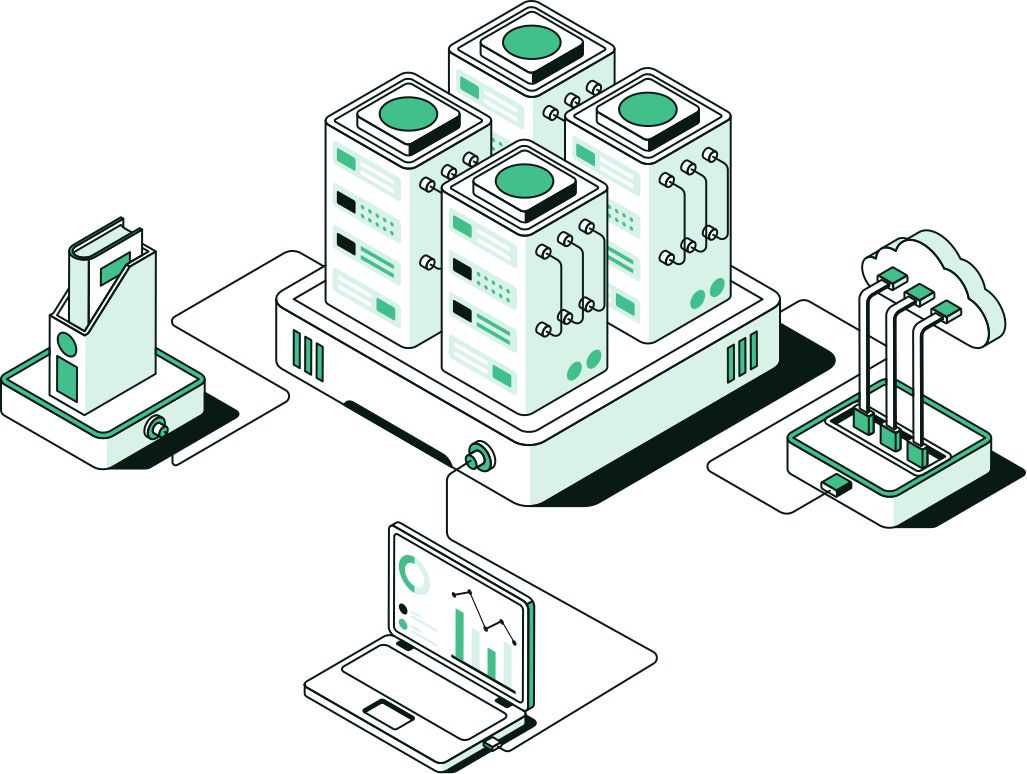
Rollback is designed well before the night you switch. Exit criteria are written into the wave plan.
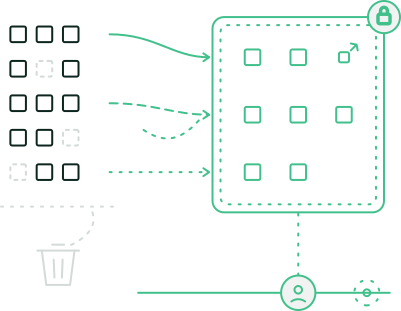

Inventory and disposition
Applications, data, and dependencies are inventoried first, so you’re not paying to move technical debt you should retire.

Landing zones and security review
Guardrails, identity, networking, and logging go in before production traffic, with security review as part of the foundation.

Wave-based cutover
Waves move what’s ready inside agreed change windows, with communication plans and rehearsed rollback.

Rightsize and decommission
After go-live, workloads are rightsized and old environments are decommissioned to close the loop.

Operations handoff
Handoff to Arrow Managed Cloud or your own team, with documentation. The people who ran the waves can keep operating.
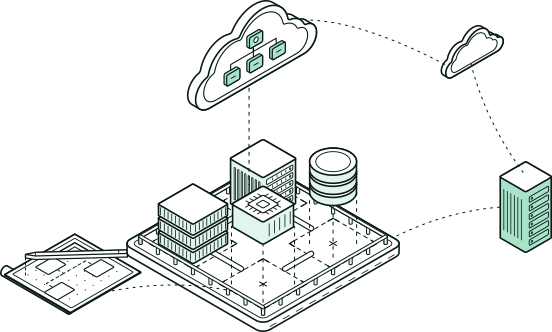
Cloud architecture your operators can run, validated before it ships.
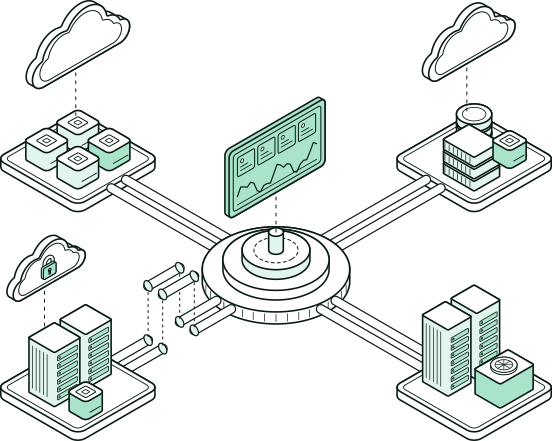
One operating model across on-prem, private, and public cloud.
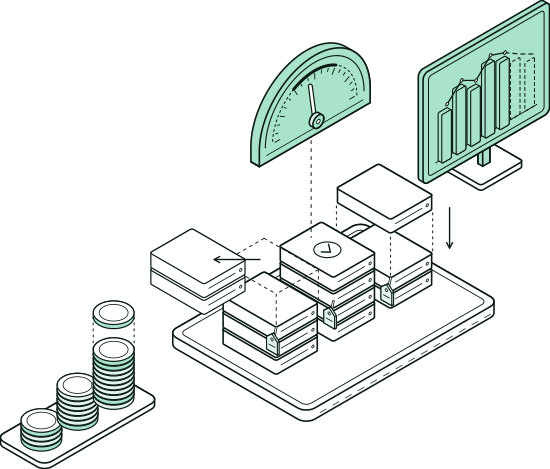
Rightsize the architecture, then keep it sized.
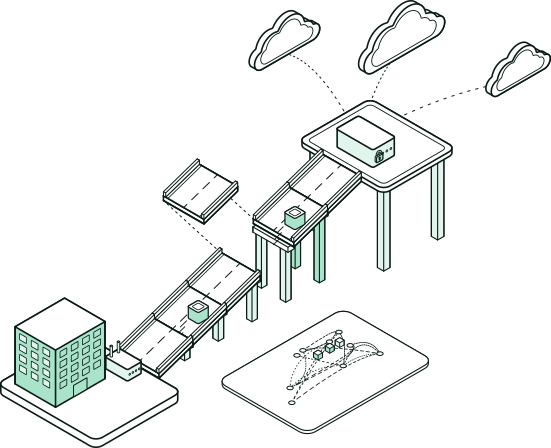
Private, adjustable paths to AWS, Azure, and Google Cloud.
Operations go to the named team that already knows what moved, with monitoring, cost control, and incident response.
No. Assessment decides what moves, what stays, and what gets rebuilt. Lift-and-shift is one option among several.
Rollback is designed well before the night you switch. Exit criteria and recovery expectations are written into the wave plan.
The same names that assessed the estate. The sequence names who is accountable so cutover is not a stranger meeting production for the first time.
No. Modernization looks at the next stretch of years for the cloud estate, and operations hand off to a team that already knows what moved. Accountability continues past project close.
Security review belongs in the first architecture decision, before workloads go live. Standard cloud scope keeps security in the wave design.