
Visibility you can act on
What runs, what it costs, and who owns it, as one shared dataset for finance and engineering.
Three disciplines. One architecture. Zero gaps.
The expertise to design it. The engineers to run it.
24/7 US-based operationsArrow rightsizes workloads and governance so cloud spend is controlled and accountable, without FinOps theater. Security review stays standard scope on every engagement.
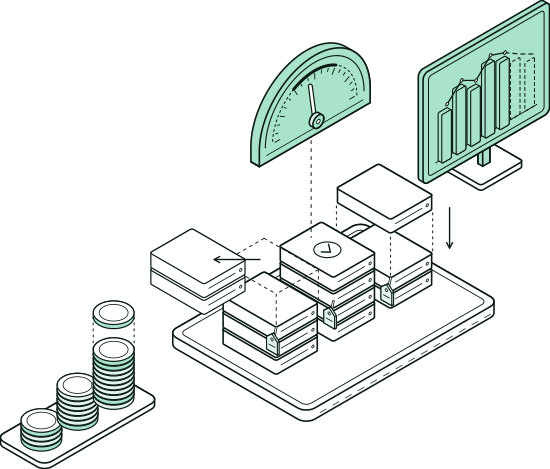

We rightsize workloads and act on the findings.

Spend stays governed and accountable, with no FinOps theater.

Security review remains standard scope on the engagement.
Invoices rise when nobody owns the workload, oversized instances become permanent, tagging and budgets are optional, and a 90-day cleanup ends without an operating rhythm. Arrow treats cost as architecture and operations work, done with the team that can change what runs.
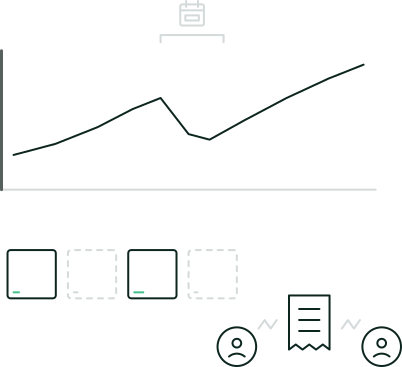
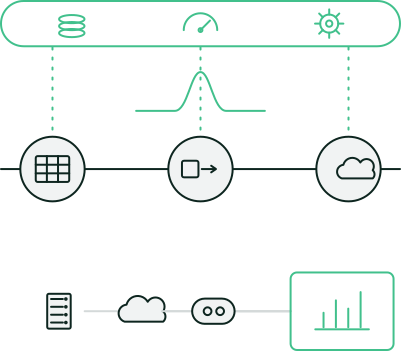
What runs, what it costs, and who owns it, as one shared dataset for finance and engineering.
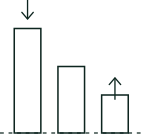
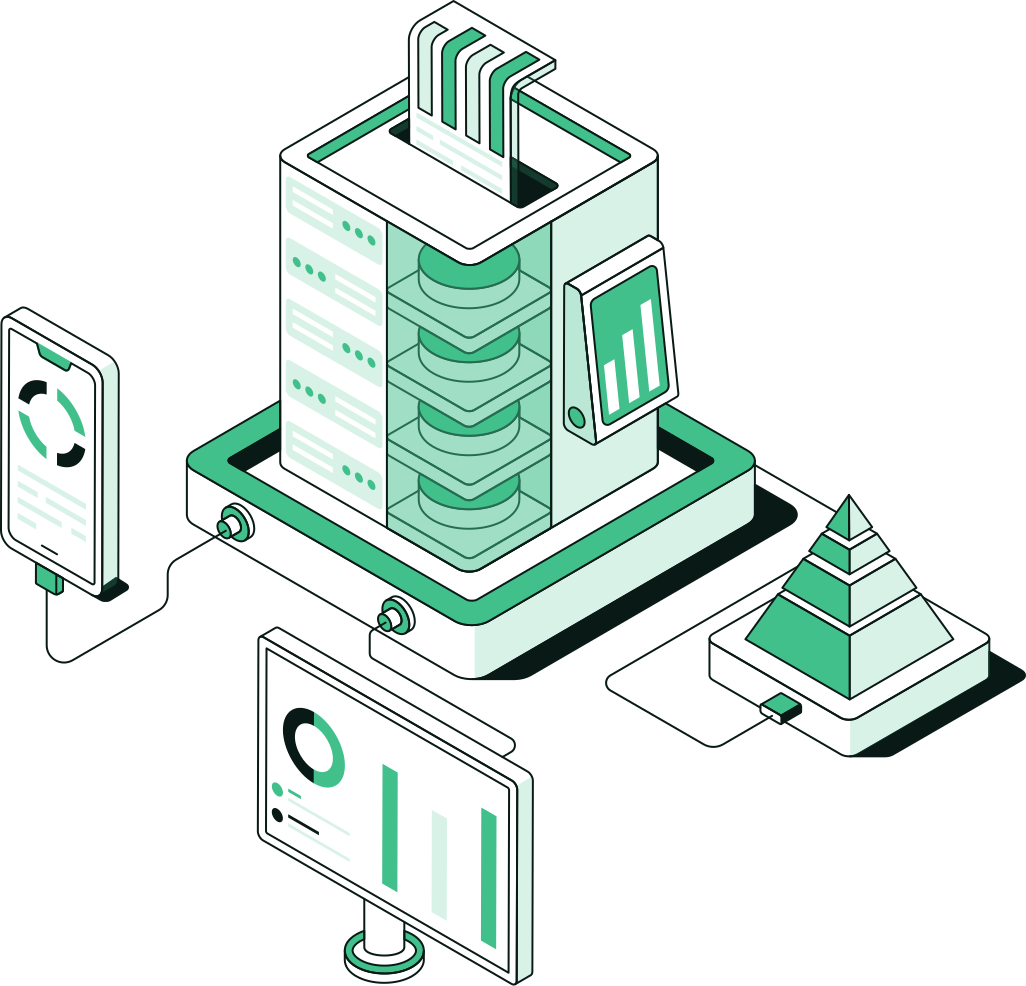
Match CPU, memory, storage, and platform to real utilization. Idle and oversized estates are design debt with a known fix.
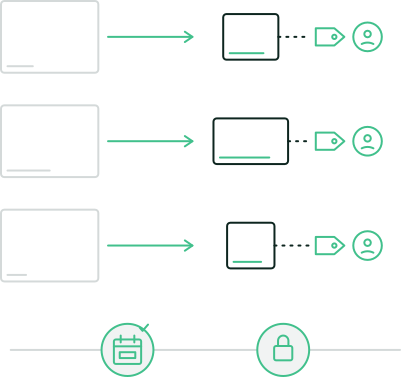
Budgets, tagging, and ownership, so teams feel the spend they create, with policies operators can actually enforce.
What changes, how it pairs with the rest of your cloud work, and why it matters who does it.
What we change
It makes spend operable: what runs, who owns it, what it should cost at real utilization, and which commitments are safe to make.
Consulting, migration, and managed ops
It pairs with Cloud Consulting when placement and platform choices are still open, with Migration & Modernization when waves create temporary spend, and with Arrow Managed Cloud when ongoing operations must include rightsizing. Hybrid estates get one picture across every cloud.
Why Arrow
Because a reporting engagement that can’t touch the estate produces slides. Arrow connects visibility to operators, so recommendations become changes and changes stay watched.

Fix the architecture.
Then keep it fixed.
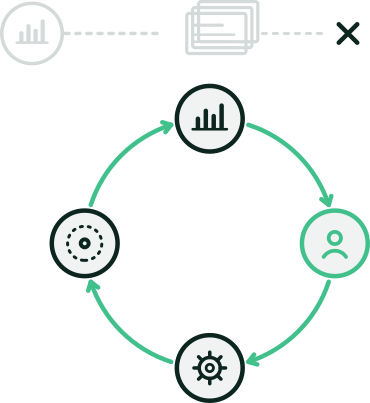
Optimization keeps going after the first review: evidence, forecasts, commitments, and a rhythm tied to the team on the floor.


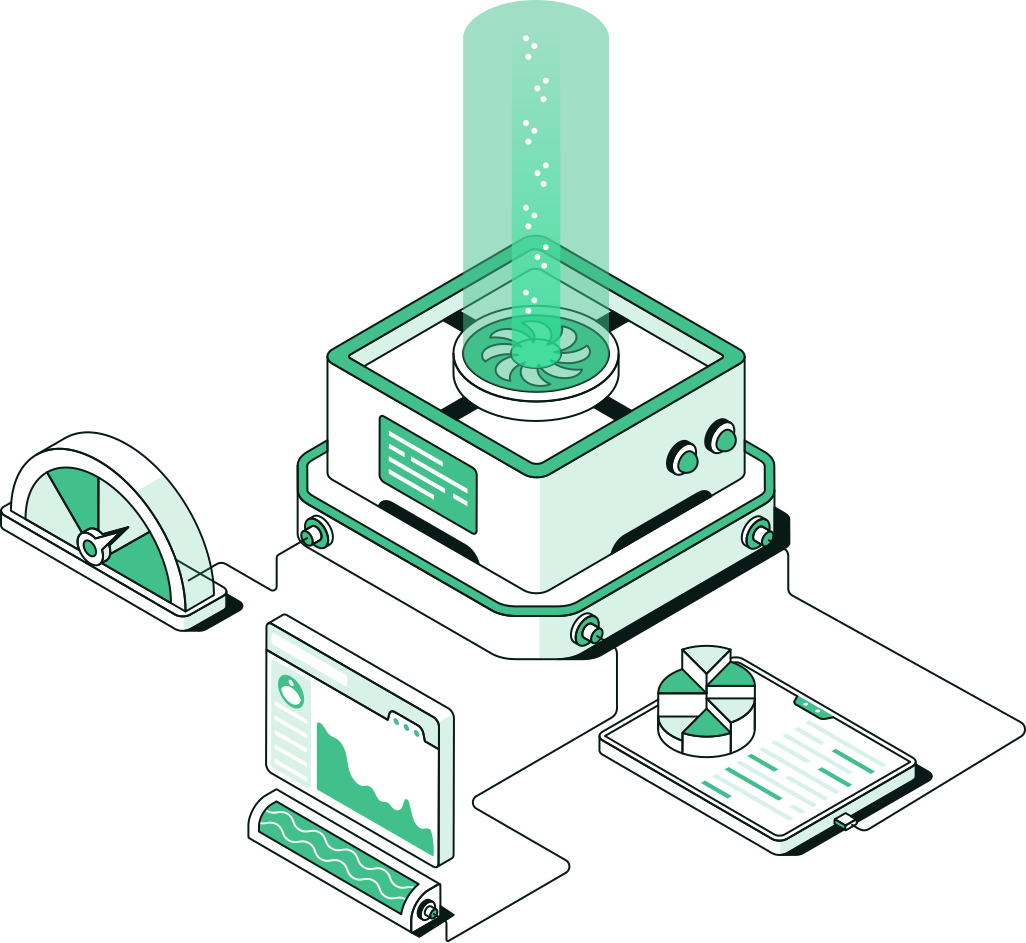



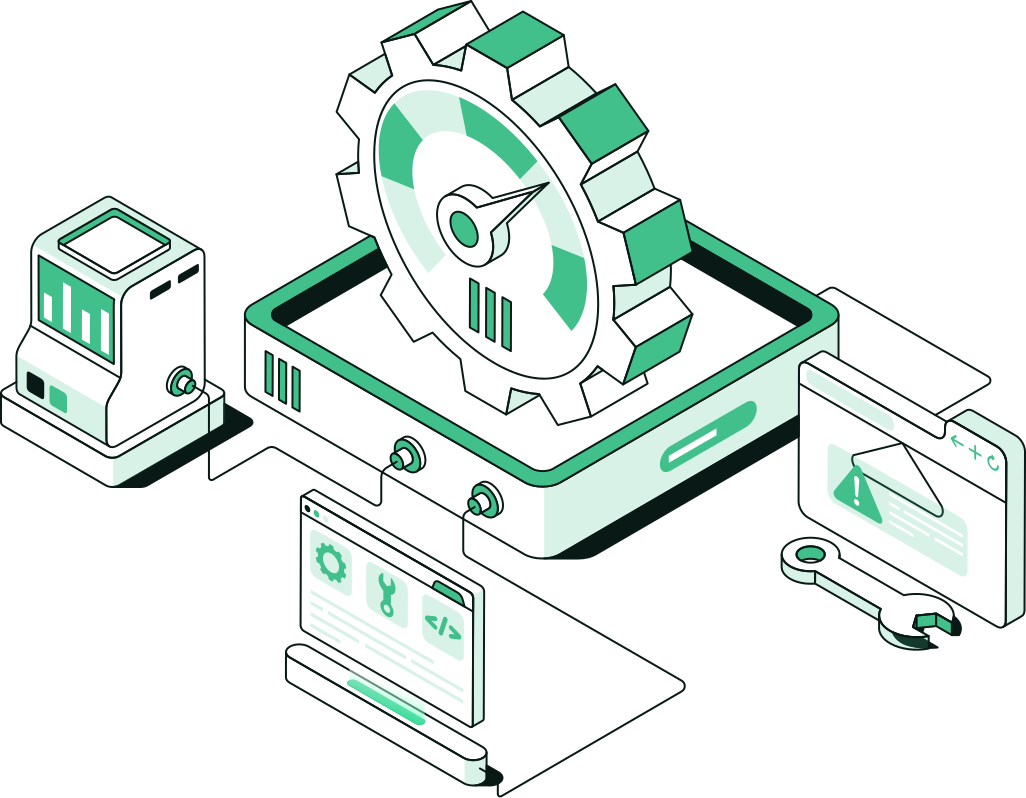
The lasting value is the operating rhythm, so the savings outlast the project.
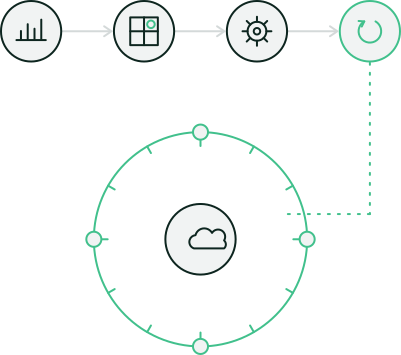

Baseline
Usage, spend, and ownership gaps measured across the clouds you operate.

Prioritize
Rightsizing and waste removal ranked by waste and risk, with security and reliability weighed in.

Change and govern
Workloads, tags, budgets, and accountability changed with the teams who own the systems.

Security review
Wherever architecture or access changes, so “cheaper” never quietly means “less controlled.”

Continuous review
Regular review tied to managed cloud when Arrow is on the floor, so drift is caught before finance asks why the bill jumped.
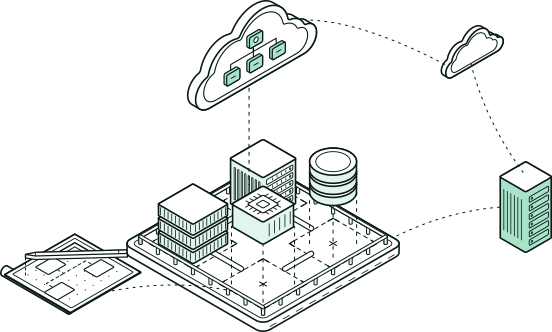
Cloud architecture your operators can run, validated before it ships.
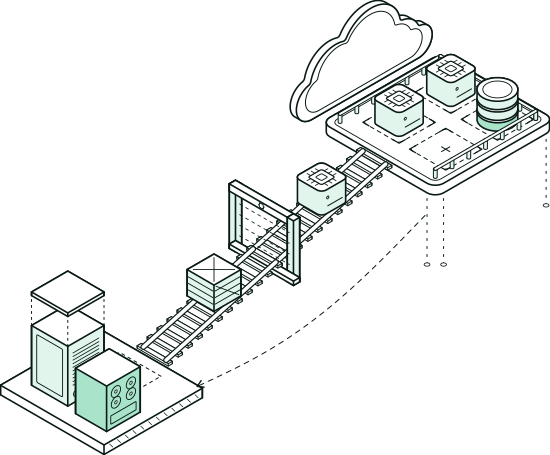
Wave-based moves with rollback, and the same names after cutover.
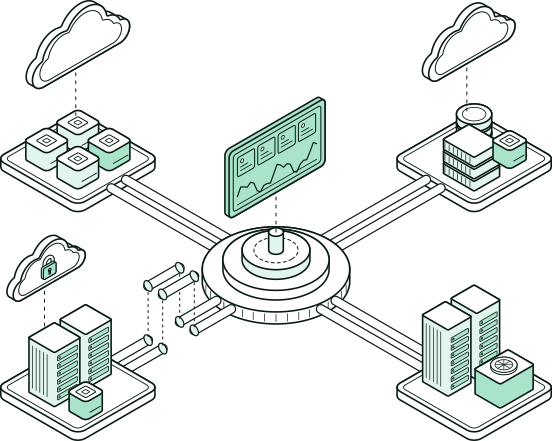
One operating model across on-prem, private, and public cloud.
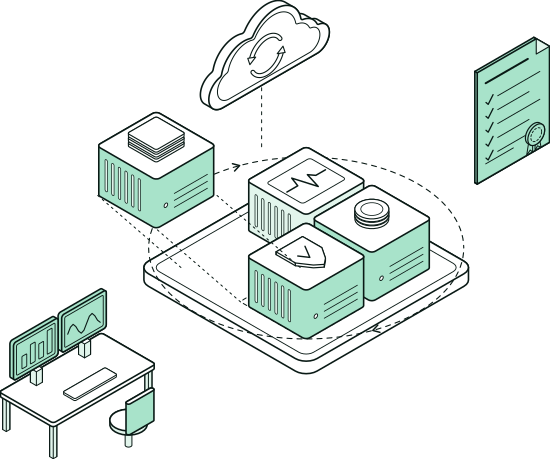
Provisioning, monitoring, cost, and response on one team.
Ongoing cost and performance review inside managed cloud operations, with the same team that runs the workloads.
No. The work changes the architecture and workload design so the next invoice is explainable. A report without an owner who can change the estate is not the deliverable.
The team that can change the estate, with Arrow engineers when that is in scope, so optimization ends in changes that actually get made.
No. Security review stays in scope. Controls are not stripped to improve a spend graph. Cost honesty and security posture stay one conversation.
Governance is built into the architecture so review is continuous enough to catch drift before finance asks why the bill jumped.
Yes. The bill is evidence. The fix is still the workload and architecture design behind the line items.
It can. Optimization and ongoing operations are linked when you want the same names on both, so savings stick after the engagement ends.