
Ahead of the carrier notice
A disconnect notice is a late way to learn a life-safety line was still on copper. Planning ahead of retirement dates keeps cutover under your control.
Three disciplines. One architecture. Zero gaps.
The expertise to design it. The engineers to run it.
24/7 US-based operationsCarriers are shutting down legacy copper and pushing businesses off POTS, T1, and similar analog services. Arrow finds every line that still depends on that plant, from alarms and elevators to fax, and replaces it with a modern path before the disconnect date.
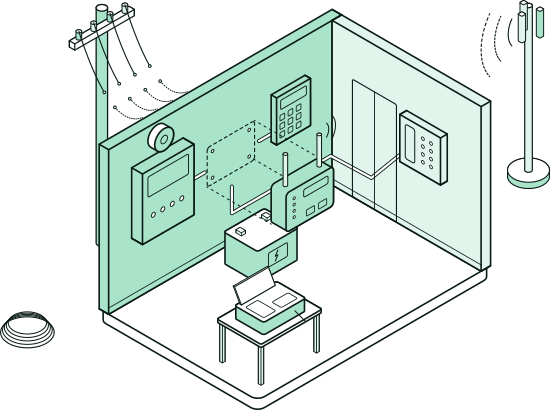


Carriers are retiring legacy copper, POTS, and T1 service.

We find every line still running on that plant.
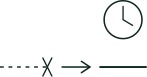
We replace it with a modern path before the disconnect date.
POTS line replacement moves the analog services still on copper, like alarm panels, elevator phones, fax, and point of sale, onto a modern path, usually LTE, while the devices keep working. When a carrier cuts a circuit, anything still attached goes dark with it, so Arrow plans the transition site by site, ahead of the deadline.
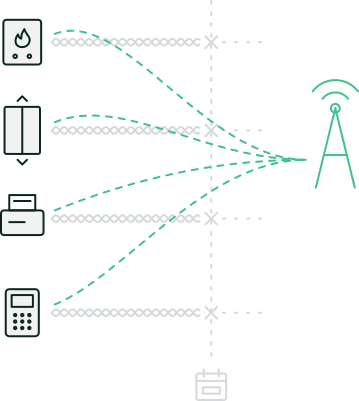
A disconnect notice is a late way to learn a life-safety line was still on copper. Planning ahead of retirement dates keeps cutover under your control.
An inventory can begin with the sites closest to a copper retirement date, then expand. No multi-site mandate needed.
Endpoints that still expect a landline keep full analog compatibility on the new path.
Most sites don’t need every analog endpoint ripped out. They do need a cutover that holds up to inspection.
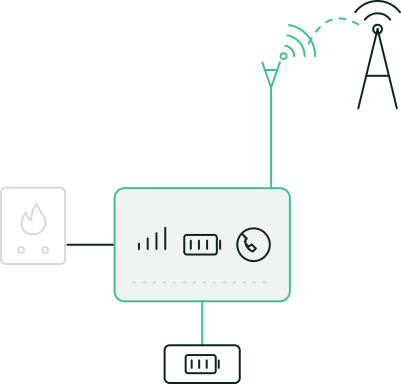
OTT cellular dialer
Many sites don’t need a vendor-specific integrated dialer on every analog endpoint. An over-the-top cellular dialer keeps aging devices working over LTE, with external antenna options where coverage is weak and no costly proprietary upgrade on every device.
Why Arrow
It touches life-safety systems, so there’s no room for a bad cutover. A missed elevator phone or fire panel means a failed inspection. Arrow configures replacements for the codes and use cases those lines were serving, and stays accountable after go-live.

Proven path first.
Then retire the copper.
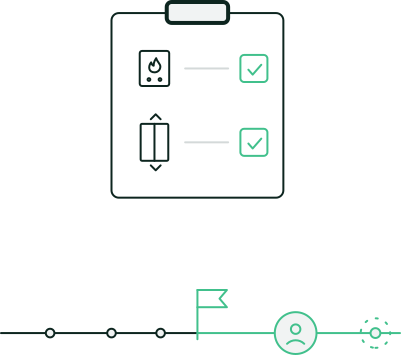
The usual finds on a copper inventory: lines that quietly depend on copper long after the rest of the site moved on.

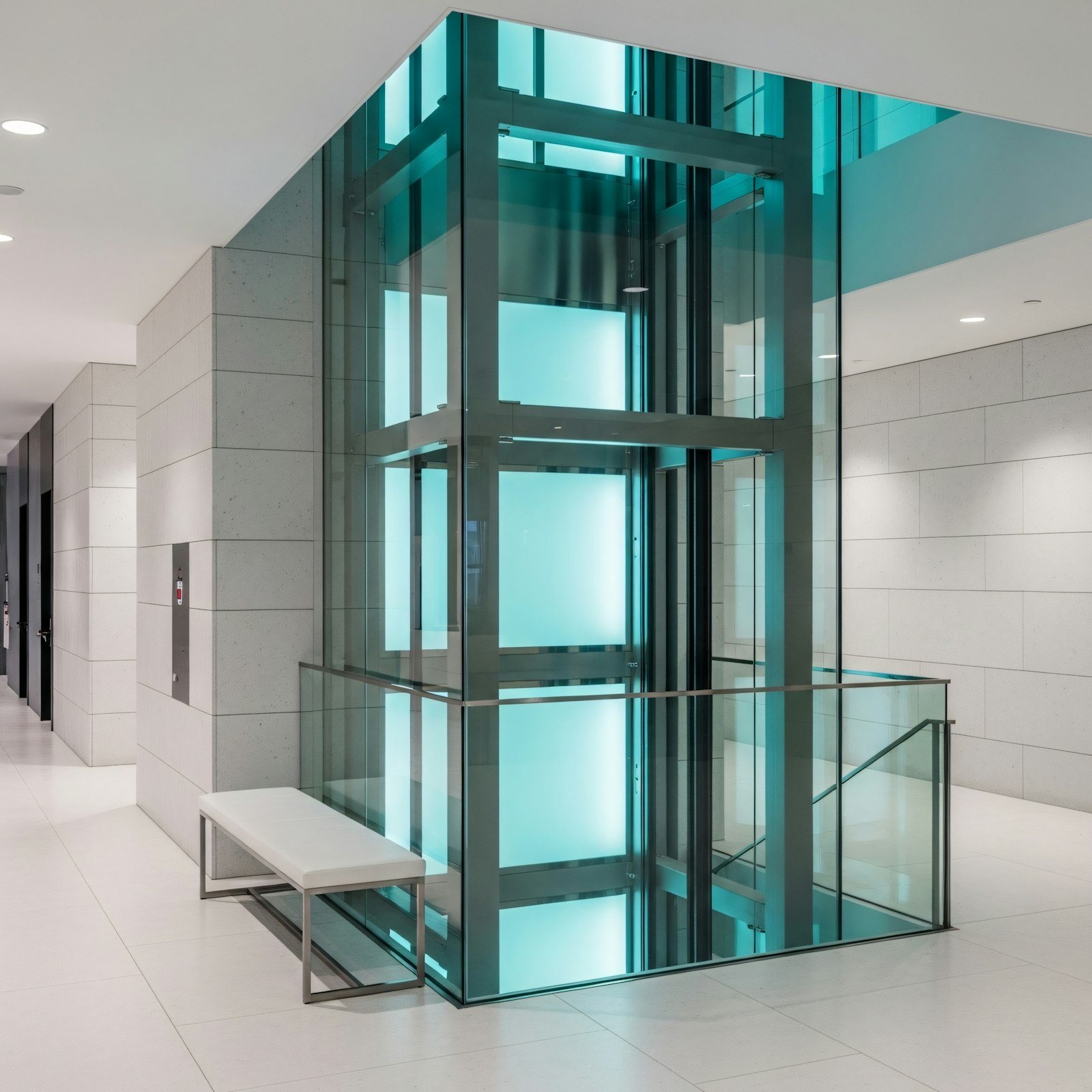


Every line is inventoried, replaced, and tested before the carrier disconnect, then watched by the same floor that runs your connectivity.

Inventory
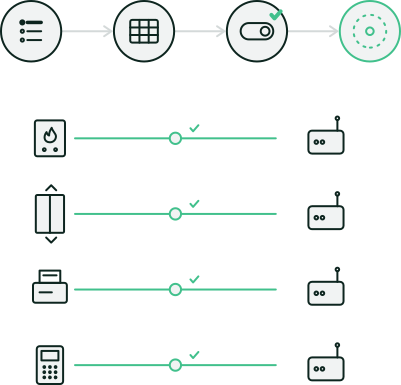
Map every POTS-dependent line and device. Know what each line protects or connects before anything is cut.

Design the replacement
LTE and modern alternatives that keep full analog compatibility where the device still expects a landline, including over-the-top cellular dialers when a vendor-specific hardware upgrade would be unnecessary cost.
Cutover with testing
Replace and test before the carrier disconnect. Life-safety and compliance requirements, including local fire code and E911 location expectations where they apply, shape the plan. Passing that bar takes more than a line that rings.

Operate after
The new paths are monitored by the same operations floor that runs your Internet Access and security, so one partner answers when something fails.
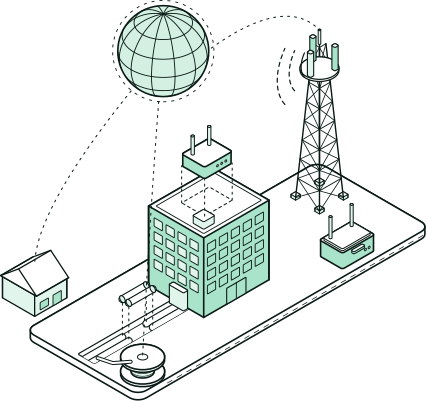
Primary, failover, temporary, and pop-up circuits from 600+ providers.
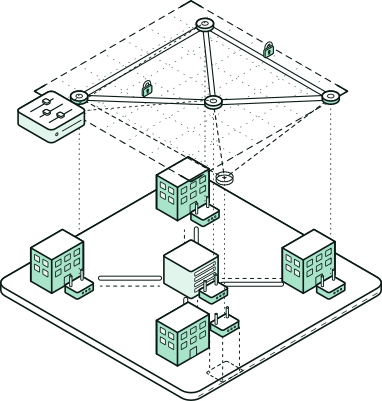
One overlay for routing, security, and app performance across every site.
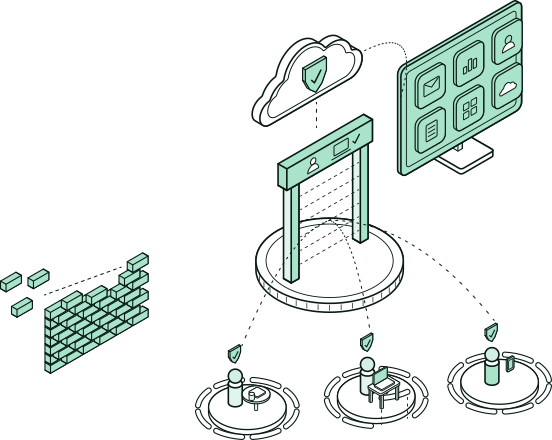
Identity-aware access with continuously checked posture.
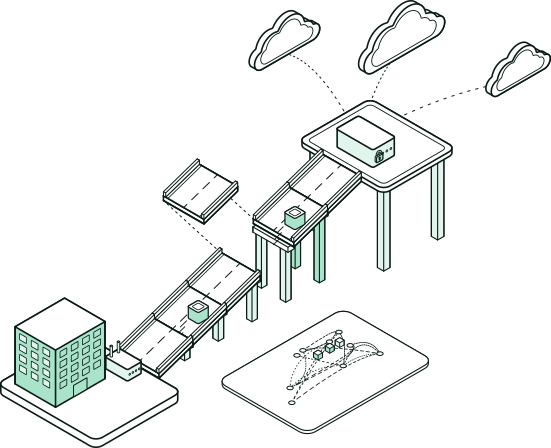
Private, adjustable paths to AWS, Azure, and Google Cloud.
Arrow operates the overlay and the circuits, on the same floor that watches your replacements.
Fax, alarm panels, elevator phones, point of sale, access control, and meter reading are the usual finds: lines that quietly depend on copper long after the rest of the site moved on.
A disconnect notice is a late way to learn a life-safety or business-critical line was still on copper. Inventory and replacement planning before retirement dates keep cutover under your control.
Not always. An over-the-top cellular path can keep an aging endpoint working when a full hardware swap is wasted spend. Fit drives the replacement method.
Cutover is planned around the inspection and location requirements those lines were serving. Life-safety paths get their own sequence in the plan.
The replacement is installed and tested first. Once the new path is proven, copper is retired and the carrier disconnect follows.
The same operations floor that runs your connectivity when that service is in scope, so analog endpoints are not orphaned after the project team leaves.
Yes. An analog inventory can start with the sites closest to a copper retirement date, then expand. You don’t need a multi-site mandate to begin.