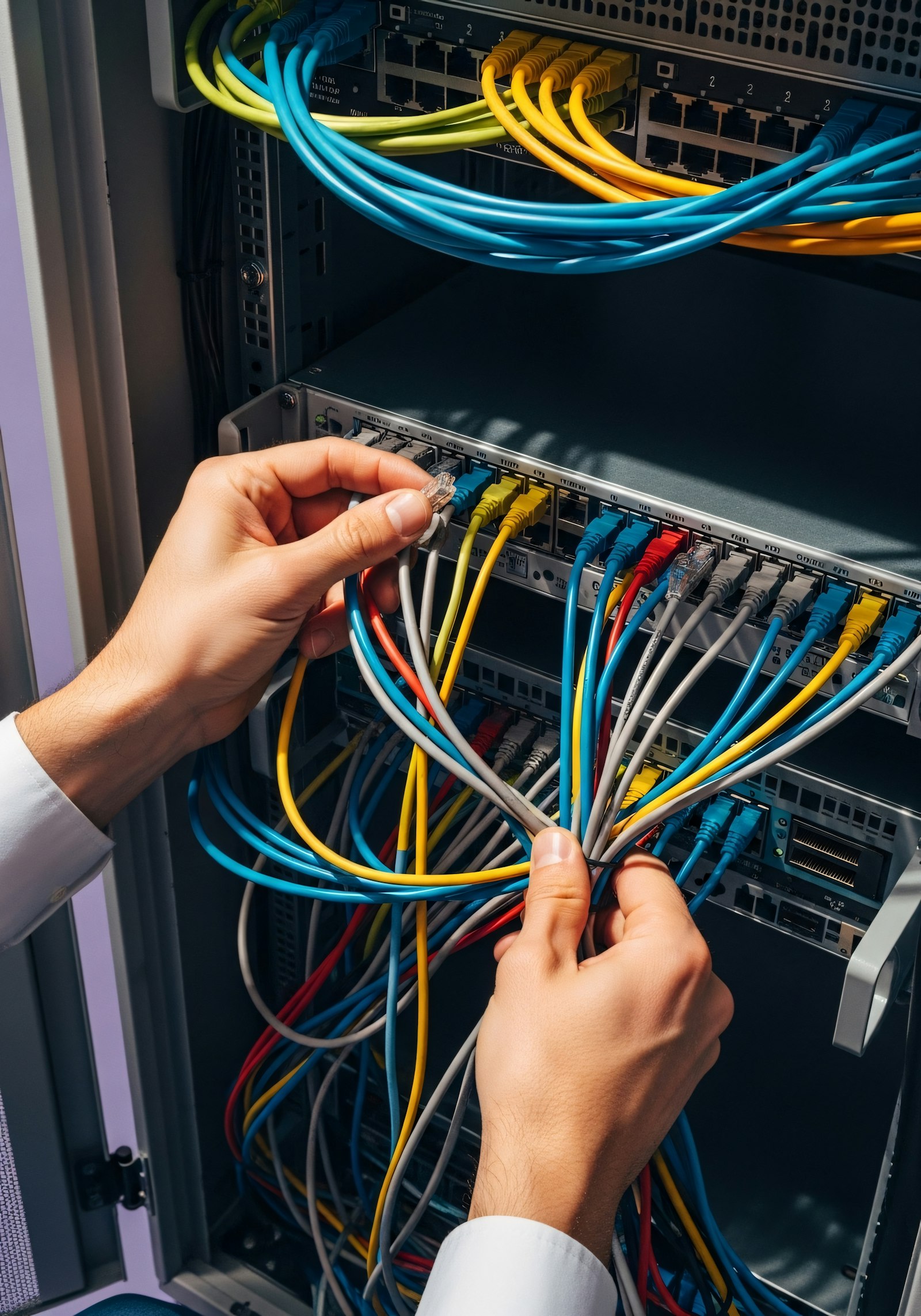
Undocumented rules
Firewall rules nobody documented make it hard to say what’s actually in path today.
Three disciplines. One architecture. Zero gaps.
The expertise to design it. The engineers to run it.
24/7 US-based operationsArrow hardens firewalls, segmentation, and traffic control on the fabric your cloud and endpoints already depend on, including SASE where remote access and edge policy meet the network we operate.
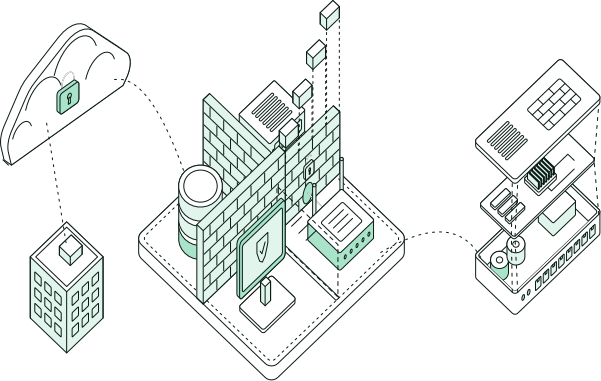

We harden firewalls across the fabric your cloud already depends on.

We segment traffic and control it at every boundary.

SASE brings remote access and edge policy onto the network we operate.
Because flat networks and split ownership let incidents spread while vendors argue. When the network vendor and the security vendor hold separate contracts, tickets bounce between them while lateral movement continues.
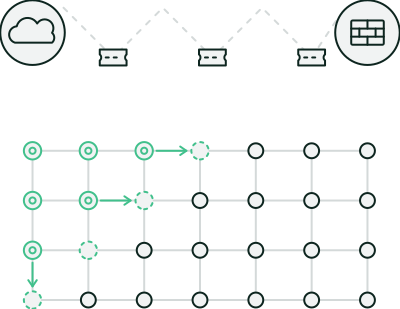
Firewall rules nobody documented make it hard to say what’s actually in path today.
DIY multi-site perimeters end up with different policy at every site.
Without continuous monitoring, the edge becomes a set-and-forget appliance.
Operable network security, aligned with the overlay Arrow already operates, so branches and remote users inherit consistent policy.
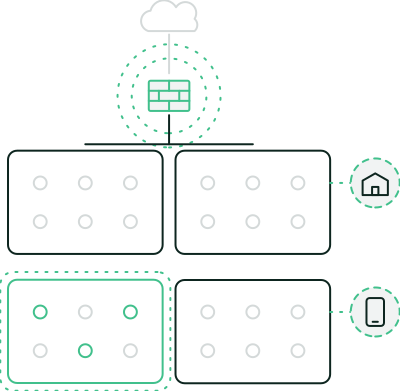
What Arrow delivers
Managed firewall operations with policy optimization, continuous rule review, and change control, including co-management of gear you already own when it’s fit. Segmentation limits blast radius before an incident, and intrusion prevention is tuned to cut noise.
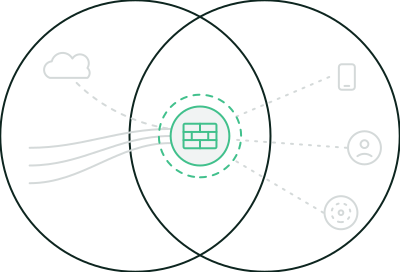
Connectivity and cyber
Network Security is where Arrow’s connectivity and cybersecurity practices meet. Internet Access and Cloud On-Ramp shape paths. Secure SD-WAN and Remote Access [SASE] shape policy for sites and users. Endpoint, identity, and threat programs consume and inform what the network must contain.
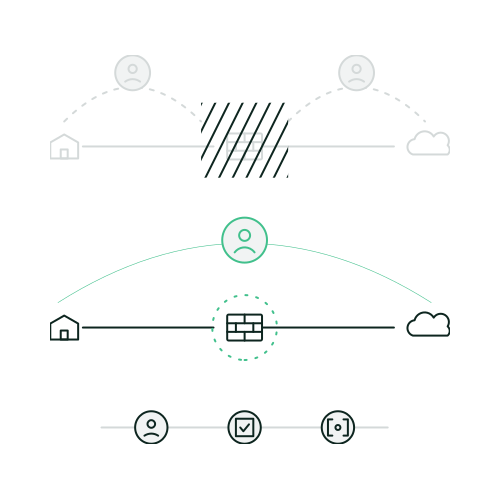
Why Arrow
Arrow already operates the fabric. Extending security operations onto it removes the classic blind spot between the two, and keeps named operators, change control, and incident response on one floor.
Arrow co-manages the firewalls you already own when the platform fits, across the technology partners we work with. Replacement is a design decision made when the platform can’t do the job.






One team owns the circuit
and the firewall.
Where network security work usually starts, phased so operations can absorb it.
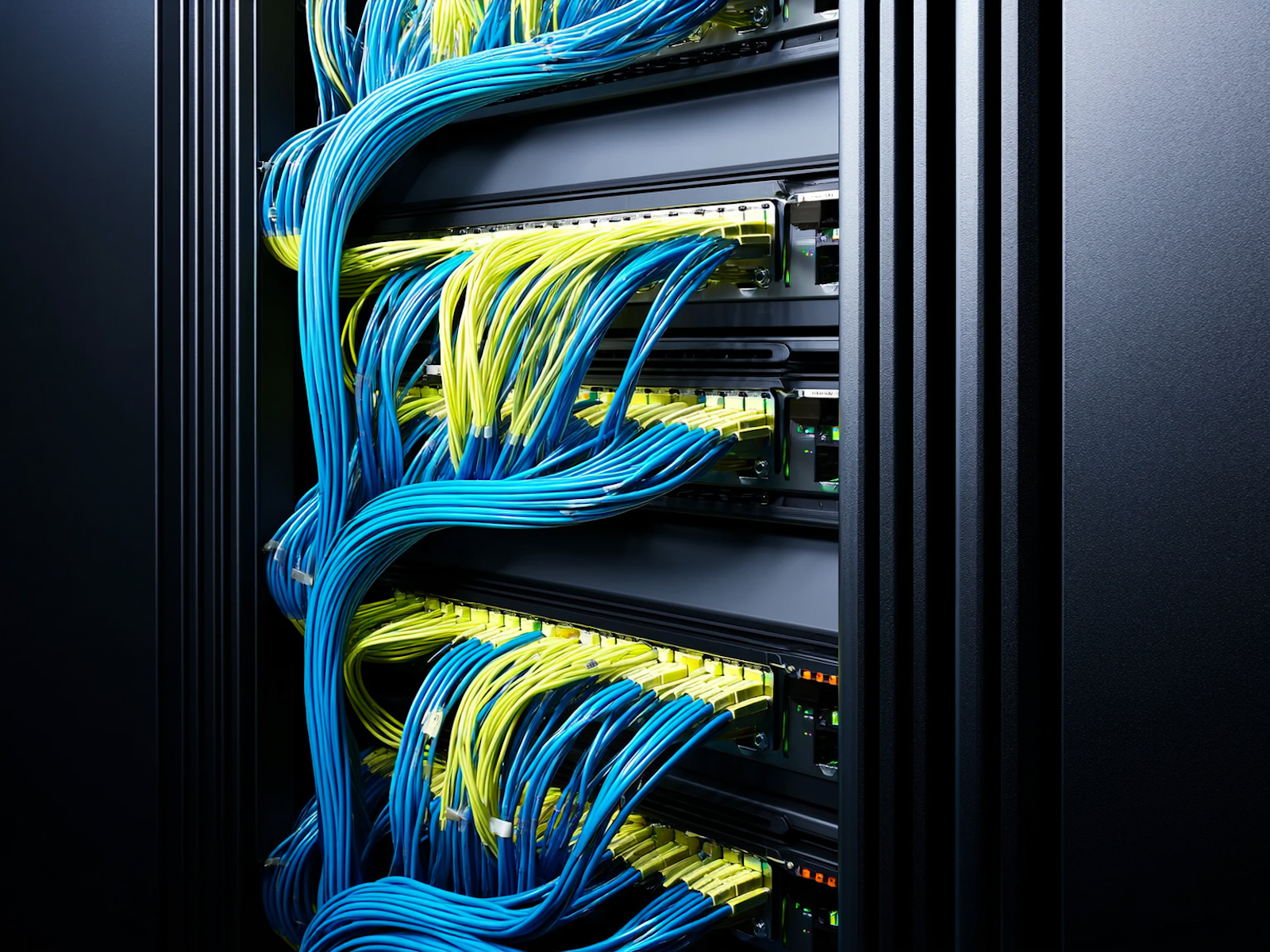



Each step stays with the team that runs your connectivity, so response doesn’t bounce between network and security vendors.
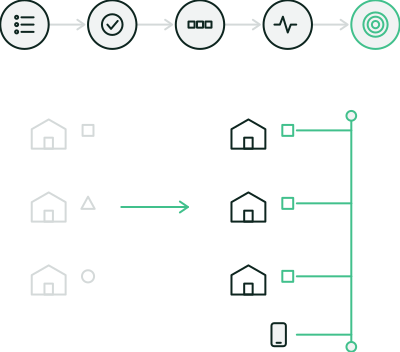

Inventory edges and rules
We inventory edges and firewall rules to see what’s actually in path today.
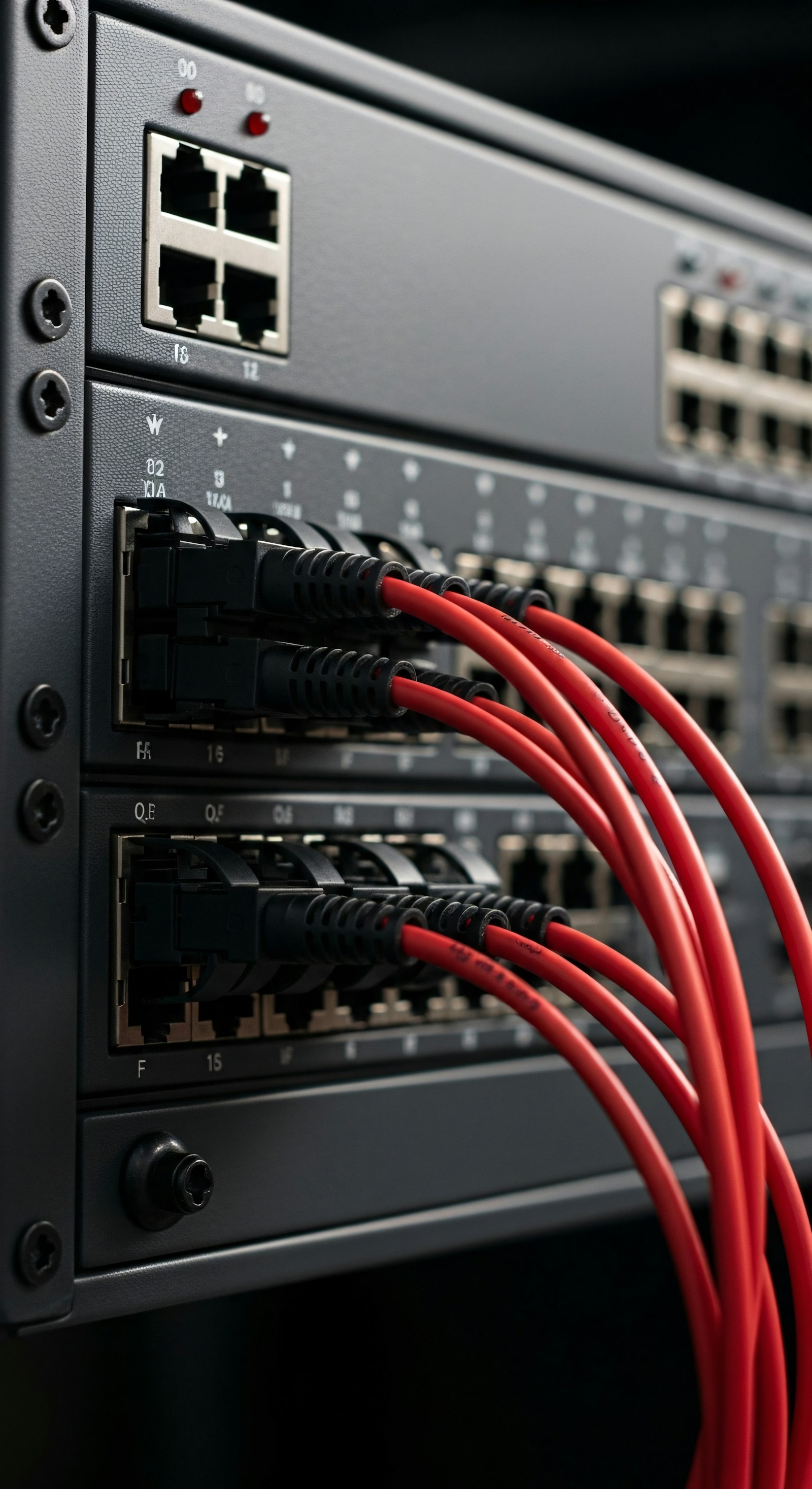
Remediate dangerous gaps
We close the gaps that make a flat network an incident waiting to happen.

Standardize policy
Consistent controls across sites, inheriting existing gear when it fits.

Monitor with named ops
Continuous eyes on anomalies and threat signals, from the same floor that runs connectivity.
Respond and harden
Containment without vendor ping-pong, then hardening on the same floor.

Align the overlay
Secure SD-WAN and Remote Access [SASE] share one policy plane, so branches and remote users inherit it.
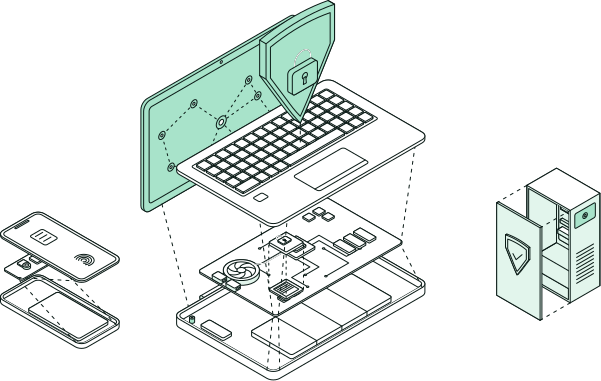
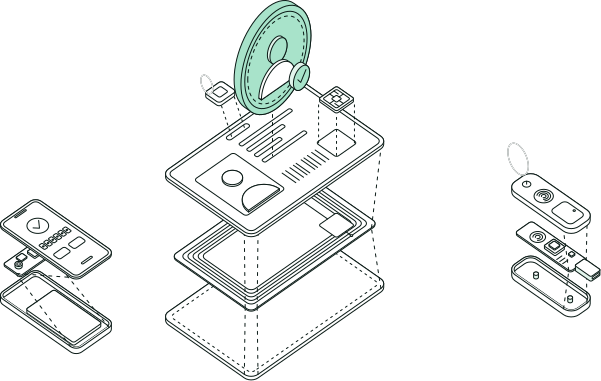
Operated policy and response on every device that touches the estate.
Access policy that follows the user, watched by the same floor.
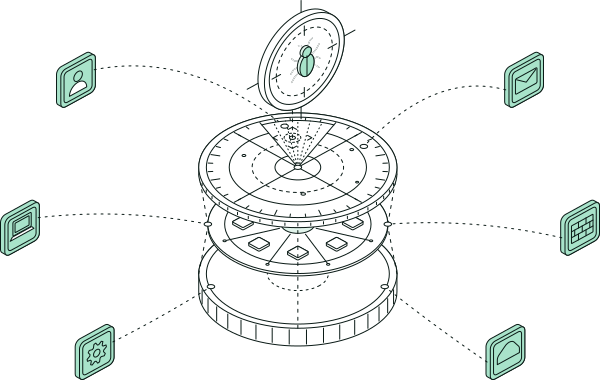
Detection and response from the same operators, every time.
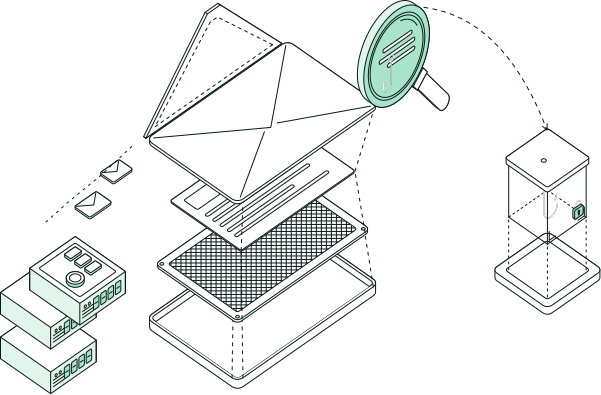
Layered email defense, tuned continuously as threats change.
Branches and remote users inherit consistent policy from the overlay Arrow operates.
Firewall policy, segmentation, and SASE where remote access meets the network Arrow operates. The path and the policy stay one design.
Not by default. The work is policy and segmentation on the fabric you already depend on. Hardware refresh is a design decision when the platform cannot do the job.
Security and connectivity are the same ticket when Arrow runs both, so one team handles containment while the incident is live.
Yes. The plan contains the highest-risk paths first, in change windows operations can absorb.
Yes, when the platform fits. Replacement is a design decision for when it doesn’t. Many programs start by making existing controls operable.
They are designed together so remote users and site-edge policy are not two arguments with two owners. When remote access is in scope, it runs under the same SASE policy as the site edge.